Britain’s Labour leader quit after less than two years, exposing a party crisis that should alarm allies of freedom and energy security across the West.
Story Snapshot
- Keir Starmer announced he will resign and told King Charles III of his decision [1].
- He asked Labour’s National Executive Committee to open leadership nominations on July 9 [1].
- He will stay as prime minister until the leadership race ends [1].
- Reports highlight heavy internal pressure and a lack of loyal defenders [2][4].
Starmer Confirms Resignation And Sets Timetable
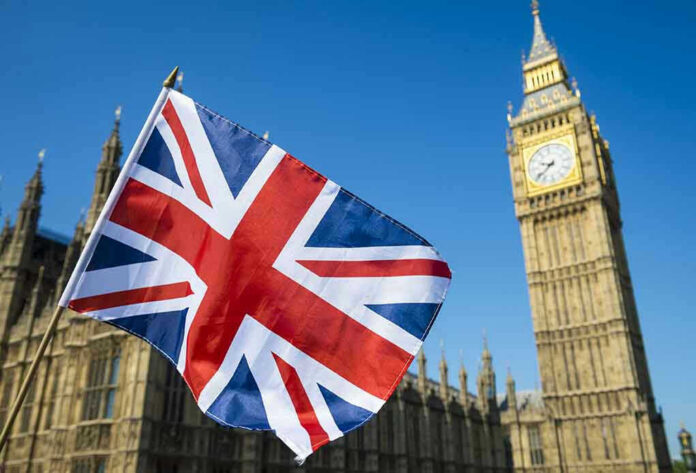
Keir Starmer said outside Number 10 that he will resign as leader of the Labour Party. He said he had spoken to His Majesty King Charles III that morning to inform him of the decision. He asked the Labour National Executive Committee to set a timetable with nominations opening on July 9 and finishing by summer recess. He said he would remain in office as prime minister until the contest ends, ensuring a caretaker period while his party chooses a successor [1].
Starmer framed the choice as the right step before the next election. He said he was not the person to lead Labour into that vote. Media summaries of the speech match those details, noting his plan and dates. The decision means Britain will face yet another change at the top without a national vote. That follows a pattern in United Kingdom politics where party leaders can change prime ministers between elections under the parliamentary system [1][3].
Internal Party Pressure And Thin Support
Commentary and live coverage describe a leader with shrinking backing inside Labour. James O’Brien said Starmer acknowledged his party decided he was not best placed to lead into the next election and that he accepted this with good grace. He also noted a lack of a loyal faction rallying to Starmer. Live news feeds focused on potential successors, including Andy Burnham, which underscored how fast the party moved past him [2][4].
Reports in recent days also described public pressure from lawmakers and resignations tied to disputes, which signaled deeper instability. Though details vary by outlet, the broad theme is clear: Starmer faced mounting calls to set a timetable or go. That pressure made a leadership race more likely and reduced his room to reset policy. Coverage portrayed Labour as divided on direction while the country faces energy, security, and economic strains [4].
Why This Matters For America-First Readers
Frequent turnover in British leadership affects United States interests, from energy policy to defense ties. A Labour civil war could slow North Sea production decisions, restrict new domestic energy, and keep prices higher for families on both sides of the Atlantic. A party distracted by internal fights may also drag its feet on defense spending and border enforcement. That weakens a key ally when the United States needs partners to deter threats and secure trade routes [2].
A prime minister who exits under pressure sends a message to global rivals that Western resolve is shaky. Stability matters when pushing back on hostile regimes and cutting reliance on foreign oil. United States readers know what elite mismanagement looks like: green mandates that raise bills, open-borders rhetoric that invites chaos, and ballooning public costs. Britain’s ruling party now faces those same choices, and its next leader will set the tone on energy, migration, and policing.
Next Steps In The United Kingdom And Risks Ahead
Labour’s National Executive Committee will open nominations on July 9. Candidates will move fast to lock down support before Parliament’s summer break. Starmer will stay in office while the race plays out. That caretaker phase could leave big policy calls on hold. Investors and allies will watch closely for signals on drilling, grid reliability, and military commitments. A muddled message could raise market anxiety and weaken the pound during an already fragile period [1].
BREAKING: UK Prime Minister Keir Starmer announcing his resignation from office less than two years after leading the Labour Party to a landslide election victory. pic.twitter.com/th4V0i8DqQ
— Donald trump commentary (@Donaldtrumtzt0) June 22, 2026
Media framing will shape public views of the handover. Some will call it a responsible reset. Others will see party panic after months of drift. Either way, the facts are simple. Starmer said he is not the right person to lead Labour into the next election, told the King he will resign, set the race for July 9, and will hold the office until the contest ends. The United States should press the next leader to back practical energy and strong borders, not more costly slogans [1][2].
Sources:
[1] Web – British Prime Minister, Keir Starmer, Officially Resigns
[2] YouTube – IN FULL: Keir Starmer’s resignation speech outside 10 Downing St
[3] Web – Watch Starmer’s resignation speech in full – BBC
[4] Web – Read Keir Starmer’s resignation speech – The Washington Post
© patriotsunited.org 2026. All rights reserved.