Two Central Intelligence Agency officers are dead after a counter-narcotics operation in Mexico, a sitting Mexican governor faces U.S. drug trafficking charges, and now the Trump administration is reviewing every single one of Mexico’s 53 consulates operating on American soil.
Story Highlights
- The State Department launched a formal review of all 53 Mexican consulates in the U.S., which could lead to closures ordered by Secretary of State Marco Rubio.
- Two CIA officers died when their vehicle crashed during a counter-narcotics operation targeting suspected drug labs in northern Mexico’s remote mountain region.
- The Department of Justice charged Sinaloa Governor Ruben Rocha Moya and nine officials with drug trafficking, alleging they protected cartel operations in exchange for election support.
- Mexican President Claudia Sheinbaum admitted her government was unaware American intelligence personnel were operating on Mexican soil, contradicting U.S. claims of a defined cooperation framework.
State Department Puts All 53 Mexican Consulates Under the Microscope
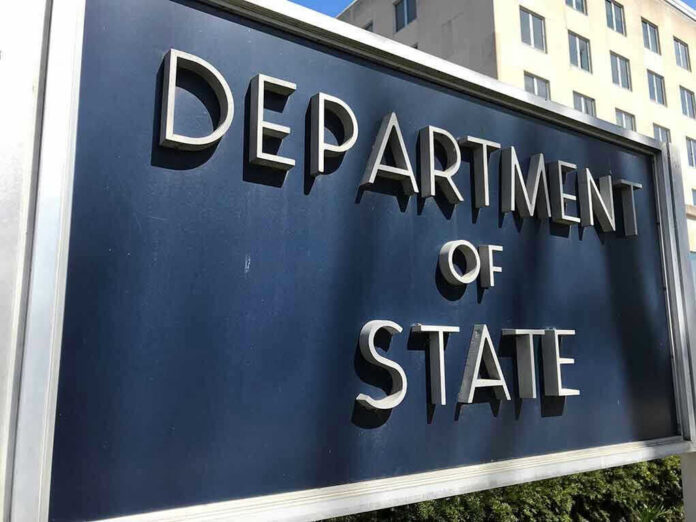
The State Department confirmed it is reviewing all 53 Mexican consulates spread across 25 U.S. states, a move that could result in some offices being shuttered entirely. [1] Dylan Johnson, assistant secretary of state for global public affairs, stated the department “is constantly reviewing all aspects of American foreign relations to ensure they are in line with the President’s America First foreign policy agenda and advance American interests.” [1] Mexico operates more consulates in the United States than any other foreign nation, serving millions of Mexican citizens with documentation and legal assistance.
BREAKING NYT: "The State Department said it would review all Mexican consulates in the United States, following claims in conservative media that the consulates interfere in politics." My revelations in "The Invisible Coup" continues to result in ACTION by the Trump…
— Peter Schweizer (@peterschweizer) May 8, 2026
The review signals the Trump administration is willing to use every available diplomatic lever to pressure Mexico on security cooperation. [6] No specific timeline or criteria for potential closures has been made public, but the announcement alone sends a clear message that business as usual with Mexico is over. [1] For Americans frustrated by years of cartel violence spilling across the southern border, this kind of assertive posture is long overdue.
CIA Officers Killed, Governor Indicted — The Pressure Behind the Review
The consulate review did not happen in a vacuum. Two CIA officers died last month after their vehicle skidded off a road, descended into a ravine, and exploded in a remote mountain region of northern Mexico during a counter-narcotics operation targeting suspected drug laboratories. [1] The expanded Central Intelligence Agency (CIA) push under Director John Ratcliffe has included intelligence-sharing, training with Mexican anti-drug units, and surveillance drone flights over Mexico targeting cartel operations. [1] The deaths of American officers on Mexican soil intensified an already strained relationship.
Mexican President Sheinbaum’s response raised serious red flags about the depth of bilateral cooperation. She publicly stated, “We are investigating what these people were doing and which agency they belong to,” revealing that Mexican officials were unaware American anti-drug personnel were operating on their soil. [1] That admission directly contradicts U.S. claims that operations occurred within a clearly defined cooperation framework. Whether the crash was an accident or something more sinister, the lack of Mexican awareness of CIA activity on their own territory is a troubling indicator of just how compromised that partnership may be.
Sinaloa Governor Charged With Cartel Collaboration
The Department of Justice (DOJ) escalated pressure further by indicting Sinaloa Governor Ruben Rocha Moya along with nine former officials on drug trafficking and weapons charges. [1] Federal prosecutors allege Rocha Moya and his associates collaborated with the Sinaloa cartel to protect drug trafficking operations in exchange for cartel support during the 2021 gubernatorial election. The governor called the charges politically motivated, and Mexico’s Foreign Ministry claimed “no evidence was presented” with the extradition request — a claim legal observers note is standard procedure under treaty norms, where full evidence follows a provisional arrest.
The State Department declined to elaborate on what the review would entail, but said that it could lead to the closure of Mexican consulates.
The review comes after claims have been circulating in conservative media in recent months that Mexican consulates interfere in American…
— Linda Hill (@bulldoghill) May 8, 2026
The indictment of a sitting governor allied with President Sheinbaum’s political movement cuts to the heart of the sovereignty argument Mexico keeps deploying. [3] When a state governor allegedly trades cartel protection for election support, the Mexican government’s credibility in demanding the U.S. back off is severely weakened. The Trump administration’s willingness to charge a sitting foreign official demonstrates it is serious about holding corrupt actors accountable regardless of diplomatic blowback. For Americans who watched the previous administration look the other way on cartel corruption, this is exactly the kind of accountability they voted for.
Sources:
[1] State Department reviewing all Mexican consulates in U.S. as tensions grow
[3] US launches review of Mexican consulates amid growing tensions
[6] State Department initiates review of all 53 Mexican consulates in US