A U.S. indictment tying a sitting Mexican governor to El Chapo’s sons exposes a fentanyl pipeline threatening American families—and Mexico’s response could decide whether the border crisis worsens or finally turns.
Story Snapshot
- U.S. prosecutors indicted Sinaloa’s governor and allied officials for allegedly aiding the Chapitos’ drug network.
- Reports conflict on whether the governor “stepped aside”; available materials show denials and, at most, temporary leave.
- Mexico’s foreign ministry questioned U.S. evidentiary sufficiency while forwarding extradition requests.
- The case underscores how cartel-state collusion fuels fentanyl deaths and strains U.S.–Mexico security ties.
What U.S. Prosecutors Allege About Sinaloa’s Leadership
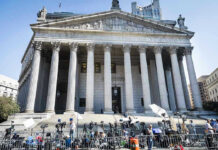
U.S. prosecutors in the Southern District of New York charged Sinaloa Governor Rubén Rocha Moya and nine current or former Mexican officials with conspiring alongside the Sinaloa Cartel’s Chapitos faction to move massive quantities of narcotics, including fentanyl, into the United States. The indictment describes a protection pact allegedly forged around the 2021 Sinaloa election, asserting cartel-backed intimidation of rivals and multimillion-dollar bribes to secure operational impunity. Prosecutors frame the scheme as government-enabled trafficking reaching deep into state and municipal offices.
Federal statements emphasize the systemic nature of the alleged corruption, portraying officials as using their positions to shield cartel shipments and supply weapons. Analysts highlight the case’s historic character: this is the first time U.S. prosecutors have formally indicted a sitting Mexican governor. Additional counts tie a former police commander to kidnappings that resulted in the deaths of a DEA source and a relative, illustrating the alleged violence used to protect the network. Authorities situate the charges within broader efforts since 2023 targeting the Chapitos’ globalized fentanyl enterprise.
Did The Governor Actually Step Aside? What The Record Shows
Conflicting headlines suggest the governor “stepped down,” yet the most consistent documentation identifies him as the sitting governor at the time of unsealing and depicts a denial of wrongdoing. Reports and official releases do not confirm a permanent resignation. Some outlets describe a temporary leave to address accusations, distinct from vacating office. Mexican legal context matters: gubernatorial immunity typically requires congressional action before prosecution, and no primary records in the cited materials confirm impeachment or removal following the indictment’s announcement.
Rocha publicly rejected the accusations as politically motivated attacks on Mexico’s ruling party, while Mexico’s foreign ministry acknowledged receiving U.S. extradition requests and questioned whether the U.S. submissions contained sufficient evidentiary elements for arrests. Those requests were forwarded to the Attorney General’s Office. The gap between U.S. charges and Mexican legal processes explains why indicted officials sometimes remain in office. Absent Mexican warrants or impeachment, U.S. filings alone do not force immediate departures under Mexico’s constitutional framework.
Why This Matters For U.S. Security, Border Stability, And Fentanyl Deaths
Cartel-state collusion alleged in Sinaloa strikes at the heart of America’s fentanyl crisis by enabling industrial-scale production and cross-border smuggling. When state actors provide protection, interdiction becomes harder, overdose deaths rise, and border communities bear the costs. U.S. families, sheriffs, and first responders pay the price while traffickers profit. Conservative priorities—secure borders, strong law enforcement, and accountability for corrupt officials—depend on cooperation that matches the scale and speed of the trafficking networks fueling this public health emergency.
The indictment pressures Mexico’s institutions to choose between dismissing U.S. evidence and confronting entrenched corruption. Real progress requires verifiable arrests, transparent legal proceedings, and uninterrupted cooperation on extraditions that respect Mexican law yet deny cartels safe haven. For Americans demanding action, success looks like disrupted supply chains, seized precursors, and prosecuted facilitators—not legal stalemates. Vigilance is warranted: without consequences for officials who aid traffickers, the fentanyl pipeline remains open and deadly.
How The Trump Administration Can Tighten The Screws
Washington can expand joint task forces targeting cartel finances, designate enablers for sanctions, and condition portions of security cooperation on measurable anti-corruption outcomes. Prioritizing real-time intel-sharing on precursor shipments and cross-border weapons flows can box in the Chapitos’ logistics. Supporting border technology and local law enforcement grants strengthens interdiction here at home. Clear, evidence-backed diplomacy—paired with firm expectations—signals that aiding cartels will carry professional, financial, and legal costs for any official, regardless of rank.
What To Watch Next
Americans should track whether Mexico issues domestic warrants; whether the governor’s status changes beyond any temporary leave; and whether U.S. and Mexican authorities act on extradition requests within legal constraints. Watch for seizures of fentanyl labs, arrests of mid-level facilitators, and transparent court filings that corroborate or refute the alleged 2021 protection pact. Outcomes in this case will reveal whether cross-border resolve matches cartel sophistication—or whether bureaucratic hesitancy leaves our communities exposed.
Sources:
Governor Of Sinaloa And Nine Other Current And Former Mexican …
US accuses Sinaloa governor of cartel ties – Arizona Daily Star
US charges Mexican governor, top officials in cartel … – Fox News
Mexican governor and mayor indicted by U.S. on drug trafficking charges step down
Current and former Mexican officials accused in US indictment of aiding drug trafficking
U.S. Prosecutors Indict Sinaloa Governor Rubén Rocha Moya and …
Mexican governor and mayor indicted by US for drug trafficking step down