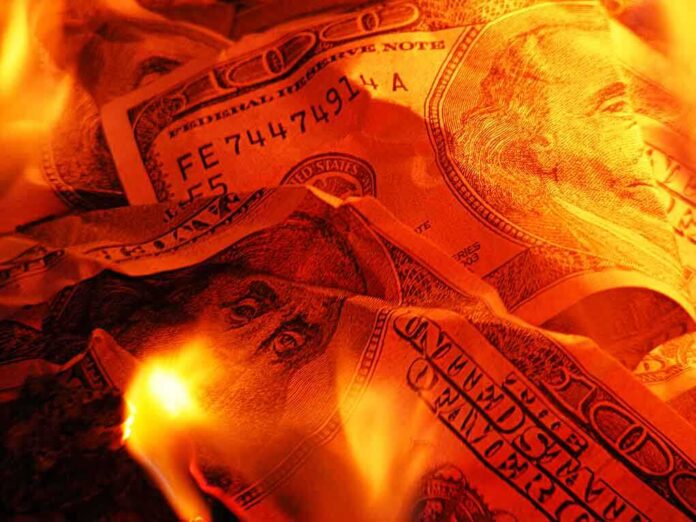
New York City taxpayers foot $81,700 per unsheltered homeless person annually—more than the median household earns—yet street homelessness grew 26% despite a 262% spending explosion.
Story Highlights
- NYC’s FY 2025 spending on unsheltered homelessness hit $368 million, up from $102 million in FY 2019, with per-person costs exceeding median income.
- Unsheltered population rose from 3,588 to 4,504 individuals, showing no reduction despite massive budget increases.
- State Comptroller’s March 18, 2026 report exposes the paradox, projecting further spending hikes to $456 million in FY 2026.
- Mayor Mamdani’s rent-freeze proposals draw economist warnings of worsening housing shortages and fiscal waste.
Spending Surge Outpaces Results
New York City allocated $368 million for unsheltered homelessness services in fiscal year 2025, a 262% increase from $102 million in FY 2019. This spending equates to $81,700 per unsheltered individual, surpassing the city’s median household income of $81,228. State Comptroller Thomas P. DiNapoli’s report, released March 18, 2026, documents this escalation amid a 26% rise in the unsheltered population to 4,504 people. Taxpayers bear the burden as budgets balloon without curbing street presence. Limited unit-cost data hinders full accountability.
Policy Shifts Fail to Stem Growth
NYC Department of Homeless Services expanded low-barrier beds, drop-in centers, and outreach from $72.3 million in 2019 to $285 million in 2025—a 294% jump. Safe-haven beds received $106 million for 900 new spots, totaling 4,900 capacity. Homestat outreach placements surged 400% to 10,841 in FY 2025, and low-barrier usage rose 44%. Yet unsheltered numbers climbed, signaling flawed incentives. External factors like migration and rents contribute, but fiscal oversight demands better outcomes for hardworking families.
Mayor’s Proposals Ignite Debate
Mayor Zohran Mamdani proposes rent freezes on 2 million stabilized apartments and higher taxes on the wealthy to tackle affordability. Economists argue these shield tenants short-term but exacerbate long-term housing shortages by deterring supply. Unlike Los Angeles, where 70% of homeless remain unsheltered, NYC shelters 97%—highlighting a shelter-heavy model. Comptroller DiNapoli’s analysis underscores taxpayer frustration with progressive spending lacking results, echoing national weariness over government overreach and inefficiency.
Projections show FY 2026 spending climbing to $456 million before easing slightly to $442 million by FY 2029. This trajectory strains budgets amid inflation and high energy costs felt nationwide. Conservatives question if low-barrier access enables dependency rather than self-reliance, core to American values. NYC’s crisis warns against unchecked urban governance, prioritizing accountability over endless funding.
THM News: NYC Homeless Spending Explodes Past $81K Per Person With No Results https://t.co/1jMMeWwbFV
— Marlon East Of The Pecos (@Darksideleader2) March 24, 2026
Fiscal Lessons for Taxpayers
NYC taxpayers fund this paradox while families grapple with rising costs from past fiscal mismanagement. The Comptroller notes absent unit-cost breakdowns prevent assessing program value, fueling demands for transparency. Amid national debates on limited government, this case exemplifies how progressive policies promise relief but deliver waste, eroding trust in big-spending solutions over practical reforms like zoning changes for housing supply.
Sources:
NYC Spends More Per Homeless Person Than a Typical Household Earns in a Year
NYC spends more per homeless person than typical household earns year, data shows
DiNapoli Report Analyzes Increases in NYC’s Unsheltered Population and Spending