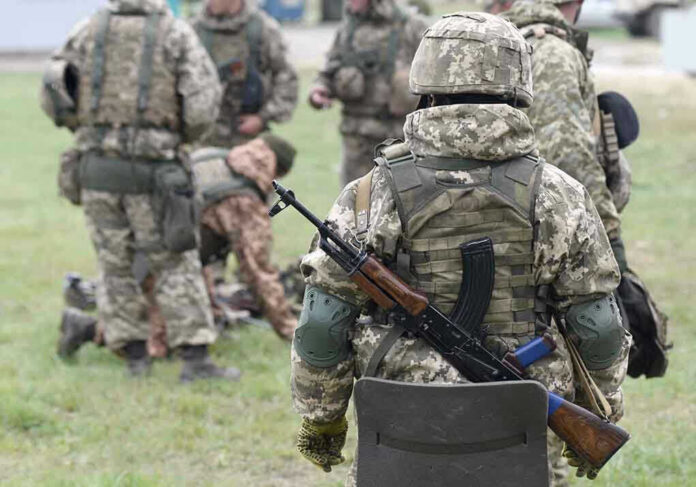
For the first time in a generation, the U.S. military has publicly moved from chasing drug traffickers at sea to joining an ally on land against “narco-terrorists” in South America.
Story Highlights
- U.S. Southern Command says U.S. and Ecuadorian forces launched joint operations inside Ecuador targeting “designated terrorist organizations” tied to narco-trafficking.
- The announcement marks the first publicly disclosed U.S. land-based operation against cartels in Ecuador, signaling an escalation from maritime interdictions.
- SOUTHCOM Commander Gen. Francis L. Donovan met with Ecuador’s President Daniel Noboa and defense leaders just before the operation began.
- Details remain limited, with no immediate public accounting of locations, detainees, or casualties as the operation continues to develop.
SOUTHCOM confirms joint land operations against “narco-terrorists”
U.S. Southern Command announced March 3 that American forces and Ecuador’s military launched joint operations inside Ecuador aimed at “designated terrorist organizations” described as narco-terrorists. Multiple reports describe this as the first publicly disclosed U.S. land-based operation targeting cartel-linked groups in the country. SOUTHCOM framed the mission as decisive action with Ecuadorian partners, while Ecuador continues its internal campaign against gangs that have driven a surge in violence and instability.
Gen. Francis L. Donovan, who assumed command of SOUTHCOM in early February, visited Ecuador March 1–2 and met President Daniel Noboa and senior defense officials, including the defense minister and top military leadership. SOUTHCOM’s public messaging praised Ecuador’s resolve and emphasized partnership. The timing matters: the meetings preceded the March 3 launch, suggesting a coordinated operational plan rather than a symbolic visit, even as officials have not released tactical details.
Why Ecuador, and why now: a shift from sea interdictions to inland action
Reporting ties the escalation to the Trump administration’s more aggressive counter-narcotics posture since January 2025, which has emphasized disrupting trafficking corridors that ultimately feed U.S. overdose deaths and organized crime. Prior operations were heavily maritime—interdictions and strikes offshore—while Ecuador has become a major transit hub for cocaine shipments moving through the Pacific route. The new land-based partnership signals the U.S. is willing to support allies closer to where gangs operate, recruit, and intimidate.
Politically, Ecuador’s Noboa has openly sought U.S. support as his government confronts armed groups after declaring an “internal armed conflict” against cartels in 2023. U.S. officials have also pointed to specific gangs—such as Los Lobos and Los Choneros—as targets after they were designated as terrorist organizations. That label carries practical consequences: it can broaden intelligence sharing and enforcement tools, but it also raises the stakes by defining these groups not merely as criminals, but as national-security threats.
What’s confirmed—and what remains unclear about the operation
Confirmed facts are straightforward: SOUTHCOM says the operation began March 3; it is joint; and it targets organizations the U.S. has designated as terrorists in the narco-trafficking space. Reports also describe it as the first publicly disclosed U.S. land operation against cartel-linked targets in Ecuador, a notable precedent for U.S. involvement in South America. Beyond that, important operational specifics—where forces are operating, which units are involved, and whether there were arrests or casualties—have not been publicly detailed.
That information gap matters for accountability and for any debate over constitutional limits and war powers back home. Americans can support strong, lawful action against fentanyl-linked trafficking while still insisting on clear authorities, defined objectives, and measurable outcomes. The available reporting offers official statements and timelines, but little independent verification of results. As the operation develops, the public will need basic facts: what success looks like, how long U.S. forces will remain engaged, and what safeguards exist to prevent mission creep.
Strategic and security implications for Americans and allies
If Ecuador’s gangs are degraded, trafficking networks that move cocaine and other narcotics north could be disrupted—potentially lowering the flow of drugs that devastate U.S. communities. At the same time, history shows cartels and aligned gangs can retaliate, pushing violence into civilian neighborhoods and pressuring governments through terror tactics. Ecuadorian civilians and service members bear the immediate risk, while U.S. policymakers must weigh whether inland operations become a repeatable model across the hemisphere.
The operation also underscores a broader point many conservatives have raised for years: weak borders and soft enforcement don’t stay contained. Narco-trafficking is international, and so is the damage—overdoses, corruption, and the spillover of organized crime. The Trump administration’s approach, as described in current reporting, appears to prioritize direct pressure on trafficking organizations and deeper security cooperation with willing partners. Whether this becomes a durable strategy will depend on transparency, results, and staying within lawful limits.
Sources:
US military operations in Ecuador
US Southern Command announces U.S. and Ecuadorian forces launch operations in Ecuador
US, Ecuador launch joint operations targeting narco-terror groups: SOUTHCOM
Ecuador news: USA military carries 1st land operation against cartels, SOUTHCOM