Global activists and foreign politicians are trying to turn the 2026 World Cup on U.S. soil into a referendum on America’s border enforcement and sovereignty.
Story Snapshot
- Boycott calls are growing around the 2026 FIFA World Cup, with critics tying the tournament to Trump-era immigration enforcement and foreign-policy disputes.
- No major national soccer federation has formally committed to withdrawing so far, but lawmakers in Europe have publicly floated the idea.
- Security debates extend beyond U.S. cities to Mexico, where concerns include cartel violence and spillover risks tied to high-profile operations.
- FIFA’s credibility issues linger from past corruption scandals and hard-nosed venue negotiations, complicating public trust as tensions rise.
Boycott pressure targets the host nation, not just FIFA
Calls to boycott the 2026 FIFA World Cup have accelerated in early 2026 as the tournament approaches its June 11–July 19 window across 16 host cities in the United States, Mexico, and Canada. The criticism is aimed less at match logistics and more at U.S. policy choices under President Donald Trump—especially immigration enforcement, visa access, and broader geopolitical disputes that activists claim make the U.S. an unfit host.
European political figures have publicly floated withdrawing national teams as a form of pressure. Reports describe German MP Jürgen Hardt raising the prospect of Germany pulling out, UK MPs debating the idea in Parliament, and French lawmaker Eric Coquerel pushing for FIFA to exclude the U.S. from hosting. Those statements reflect political agitation rather than binding decisions by football associations, which face sporting, contractual, and FIFA penalty risks if they actually withdraw.
ICE enforcement and visa fears are central to the narrative
Several outlets tie the boycott push to controversial incidents involving U.S. immigration enforcement, including reports of killings in Minneapolis attributed to ICE agents, which critics cite as evidence of unsafe or heavy-handed conditions for visitors. Alongside those claims, some human-rights advocates warn about detentions, extraditions, or travel disruptions for foreign fans, arguing that tournament travel could become entangled in immigration screening and enforcement priorities.
The available reporting also shows a key limitation: while the accusations are severe, there is not yet confirmation of any formal boycott by a national federation, and the precise timeline details of certain incidents are described inconsistently across summaries. That gap matters because a political debate can spread faster than verifiable commitments. For American fans, the practical question is whether any federation actually files withdrawal paperwork—or whether the boycott campaign remains a media-and-politics pressure tactic.
Security concerns extend to Mexico’s cartel violence risks
Security is not only a U.S. political story. Reporting also flags Mexico’s ongoing cartel violence concerns and fears that certain enforcement operations could trigger retaliation or instability in areas connected to hosting. Those worries are being pulled into the wider boycott narrative, adding a second track of risk: even if U.S. host cities prepare robust security, the tournament spans borders, and a major incident anywhere in the footprint could affect travel confidence and the event’s “safe celebration” image.
FIFA’s corruption hangover makes the organization vulnerable to pressure
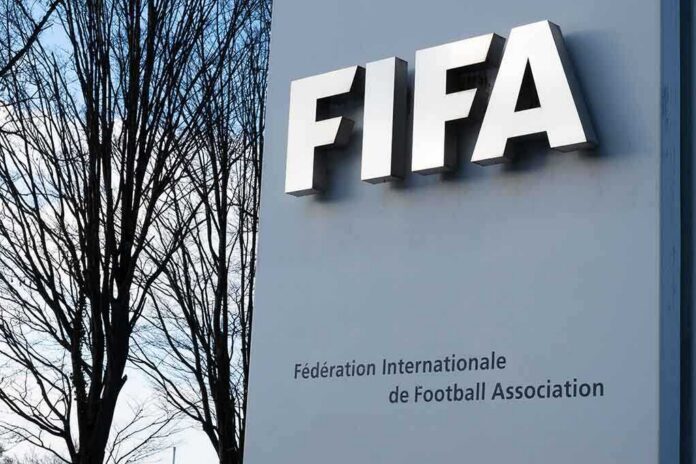
FIFA enters this cycle with reputational baggage from the 2015 U.S.-led corruption scandal that arrested multiple officials on allegations including bribery and money laundering. That history colors how the public interprets FIFA’s insistence the tournament will proceed as planned. When critics argue FIFA prioritizes revenue and image management, they are leaning on a real record of scandal and power politics in venue selection and commercial negotiations.
Venue decisions illustrate FIFA’s hardball posture. Reports describe how MetLife Stadium was selected for the final and how other venue negotiations involved extensive concessions tied to revenue and infrastructure requirements. Those details don’t prove any new wrongdoing, but they do explain why FIFA can struggle to persuade skeptics that it is acting purely as a neutral sports body. When political actors look for leverage, a distrusted institution is an easier target.
What happens next: federation decisions and U.S. event governance
As of early 2026, the tournament format is set and official planning continues, even as public pressure campaigns intensify. The key near-term indicators are whether any national federation moves from rhetoric to action and whether FIFA signals flexibility on travel processes, fan protections, and coordination with host governments. If the sport is politicized from abroad, U.S. officials will likely emphasize sovereignty, security, and orderly entry—especially after years of public backlash against weak-border policies.
For American supporters, the broader takeaway is straightforward: international institutions and foreign politicians can attempt to shame a host country into changing domestic policy, but the World Cup also tests whether a nation can uphold security, lawful entry, and public order while welcoming the world. Whether the boycott campaign fizzles or escalates will depend less on viral statements and more on concrete federation decisions—and on whether organizers can credibly assure fans that travel rules will be transparent and consistently applied.
Sources:
Boycotts and Big Questions: What You Need to Know About the 2026 FIFA World Cup
World Cup 2026 Faces Boycott Calls and Security Fears
2026 FIFA World Cup: Calls for boycott emerge to bring Donald Trump to his senses
World Cup boycott, FIFA 2026, ICE raids (Los Angeles Times newsletter page)
Should FIFA Pull the World Cup Out of the US?