A $75 million Amazon-backed film about the First Lady is colliding with ethics questions and culture-war backlash just as America adjusts to Trump’s second term.
Story Snapshot
- Melania Trump’s documentary Melania premiered January 29, 2026, at the Trump-Kennedy Center in Washington, D.C., with a limited theatrical rollout beginning January 30.
- Reporting describes a $40 million Amazon licensing deal, with Melania Trump receiving 70%, plus a separate $35 million marketing push.
- Critics and at least one former Amazon executive have raised concerns about “currying favor,” while the White House has denied profiteering claims.
- Director Brett Ratner’s involvement revived controversy tied to past misconduct allegations he has denied, adding to the debate around Hollywood standards.
A High-Dollar Premiere Meets a Politically Charged Moment
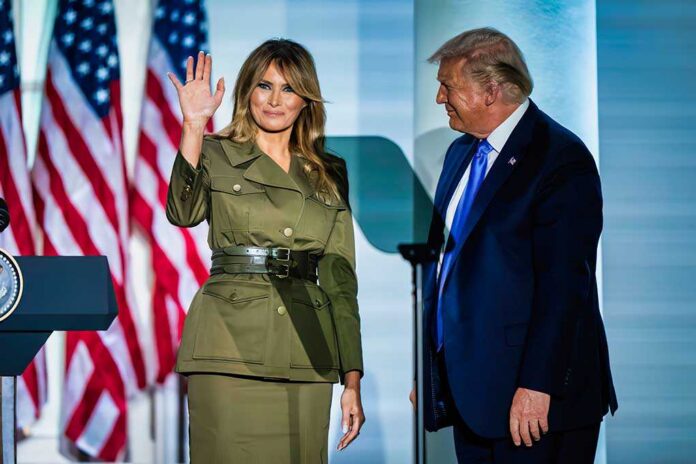
Melania Trump’s documentary Melania premiered on January 29, 2026, at Washington’s Kennedy Center—now described in reporting as the “Trump-Kennedy Center”—with President Donald Trump attending and promoting it as “MUST WATCH.” The film is framed as an unusually intimate look at her return to the role of First Lady, including family life, staffing, and public-facing duties. A private White House screening reportedly preceded the red-carpet event.
Amazon MGM Studios’ involvement is central to why this release became news beyond entertainment pages. Reporting places the licensing deal at $40 million, plus a $35 million marketing campaign supporting the rollout. The theatrical plan is also unusual: a limited release in 25 theaters, paired with simulcast showings, followed by broader global availability. That scale and structure reads less like an indie documentary and more like a major political-media event.
What the Amazon Deal Raises: Influence, Access, and Optics
The controversy isn’t about whether a First Lady can tell her story—Americans can judge for themselves—but about how corporate money and political proximity can blur lines. Reporting notes Amazon outbid Disney for the project and highlights Jeff Bezos’ visible presence around the inauguration period. A former Amazon executive, Ted Hope, is quoted questioning how the deal could not be viewed as currying favor or even an outright “bribe,” while the White House denied profiteering claims.
Those competing claims matter because they point to a broader, bipartisan concern: whether Washington is becoming a place where influence is purchased through soft-power deals instead of earned through transparent policymaking. The sources do not establish wrongdoing, and they do not document any quid pro quo. Still, conservatives who spent years watching Big Tech shape speech, commerce, and culture will recognize why many Americans distrust cozy relationships between massive platforms and political leadership.
Inside the Film: Image-Making, “Unity,” and the First Lady’s Role
Melania Trump has described the project as an attempt to show what it takes to be “a first lady again,” with the trailer emphasizing style, emotion, and a carefully curated behind-the-scenes tone. Reporting places the film amid tense national events, including fallout from a Minneapolis incident involving immigration agents and a protester’s death, after which Melania called for “unity.” The documentary’s narrative appears designed to present steadiness and purpose during a heated period.
For conservative audiences, the takeaway is not that media storytelling is new—it’s that the modern White House exists inside a permanent content machine, and every major release becomes a political Rorschach test. Supporters see a rare look at a First Lady who has often avoided the spotlight. Critics see branding and influence. The research available here does not include independent box office or viewer data, so claims about popularity remain limited to reported anecdotes.
Backlash, Boycotts, and the Global Culture War Around American Politics
International reaction shows how quickly U.S. politics now travels through global entertainment channels. Reporting describes boycotts and indicates that South African cinemas pulled the film, citing the “current climate,” in the context of strained ties and disputed rhetoric around “white genocide” claims. The reporting also notes online mockery featuring images of empty seats. Those snapshots may reflect selective moments, but they signal that the film is being treated as a political symbol as much as a documentary.
At home, the bigger issue is precedent. This project is described as executive-produced by its subject and paired with a record-level streaming deal, pushing the boundary between public service and monetized storytelling. Even without proven misconduct, the optics will drive calls for clearer rules separating government roles from private enrichment.
Sources:
Melania Trump’s documentary “Melania” premieres at the Kennedy Center ahead of global release