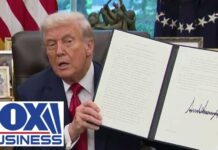
A Minnesota state senator’s expletive-laden response to President Trump’s sedition accusations reveals the dangerous escalation of political rhetoric that could fundamentally alter how elected officials communicate with military personnel.
Story Snapshot
- Trump accused six Democratic lawmakers of treason for advising military members about unlawful orders
- Minnesota Senator Erin Maye Quade responded with profanity-laced criticism calling Trump’s remarks dangerous
- The dispute centers on lawmakers’ authority to communicate with military service members
- Trump suggested the Democratic legislators could face prison time or death penalty for their actions
The Sedition Accusation That Sparked Outrage
President Trump escalated political tensions by labeling six Democratic lawmakers as “traitors” following their communications with military service members about disobeying unlawful orders. The president’s accusation went beyond typical political sparring, suggesting these legislators had committed sedition punishable by imprisonment or death. This represents a significant departure from conventional political discourse, even in an era marked by increasingly harsh rhetoric between parties.
Democratic Senator’s Explosive Response
Minnesota state Senator Erin Maye Quade delivered an unfiltered reaction that captured the shock many Democrats felt hearing Trump’s sedition claims. Her profanity-laden statement emphasized what she perceived as existential danger in the president’s words. The senator’s choice to use explicit language in her public response demonstrates how Trump’s accusations shattered normal decorum expectations. Her reaction reflects broader Democratic concerns about the weaponization of sedition charges against political opponents.
The Constitutional Questions at Stake
The dispute raises fundamental questions about legislators’ constitutional authority to communicate with military personnel about their duties and oath of office. Democratic lawmakers argued they were providing guidance about service members’ legal obligations to refuse unlawful orders. Trump characterized this advice as treasonous interference with military command structure. The tension highlights competing interpretations of civilian oversight versus military chain of command, with both sides claiming constitutional authority for their positions.
Military service members take an oath to defend the Constitution, not any individual leader, which complicates Trump’s sedition argument. The Uniform Code of Military Justice requires service members to disobey clearly unlawful orders, creating legitimate gray areas where legislative guidance might be appropriate. However, Trump’s supporters argue that Democratic lawmakers overstepped boundaries by directly advising military personnel during a politically charged transition period.
Sources:
House Dem leaders contact Capitol Police after Trump “death threats”