

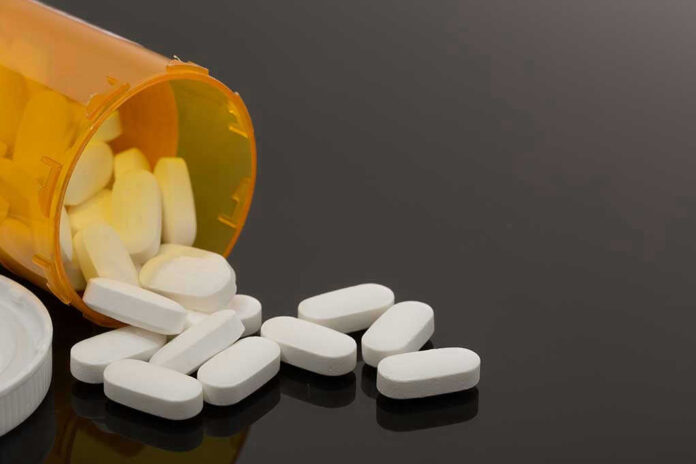
President Trump’s administration is preparing to declare Tylenol a possible cause of autism, a claim sharply rejected by leading scientists and certain to ignite fierce debate over government intervention in personal health decisions.
Story Snapshot
- Trump administration plans announcement linking Tylenol in pregnancy to autism, despite lack of scientific consensus.
- Scientific experts and advocacy groups warn that evidence for such a link is extremely weak or absent.
- Public concern is rising over the safety of acetaminophen, a widely used medication, and the credibility of health guidance.
- Political intervention into medical science risks fueling misinformation and undermining trust in public health.
Trump Administration’s Upcoming Announcement Sparks Controversy
Reports indicate President Trump’s administration is poised to announce a possible connection between Tylenol (acetaminophen/paracetamol) use during pregnancy and autism in children. This follows Trump’s public speculation that Tylenol is “a very big factor” in autism, an assertion that has drawn scrutiny from both medical experts and advocacy organizations. The official announcement, previewed by White House press secretary Karoline Leavitt, is expected soon, but details remain under wraps. Media outlets including The Washington Post and Politico have amplified the debate, spotlighting high-level government involvement in a contentious medical issue.
Despite the administration’s claims, leading scientists caution that current research does not support a causal link between acetaminophen use in pregnancy and autism. The medical community emphasizes that acetaminophen is considered one of the safest painkillers for pregnant women, especially compared to alternatives like NSAIDs. Autism spectrum disorder’s origins remain complex, involving genetic and environmental factors, but the consensus among experts is that there is no robust evidence tying Tylenol to autism. Past controversies, such as the vaccine-autism debate, have demonstrated the dangers of policy driven by insufficient or misinterpreted science.
Expert Analysis: No Credible Evidence for Tylenol-Autism Link
High-profile experts and recent studies have weighed in, refuting the administration’s claims. Sura Alwan, a clinical teratologist, states, “The evidence does not support a causal link between acetaminophen or vaccines and autism.” James Cusack, CEO of Autistica, echoes this, noting, “There is no definitive evidence to suggest that paracetamol use in mothers is a cause of autism, and when you see any associations, they are very, very small.” Helen Tager-Flusberg, psychologist, points to better-controlled studies which rarely find any risk, saying, “We do not think that taking acetaminophen is in any way contributing to actually causing autism.” Large-scale epidemiological research from Sweden and Japan, involving millions of children, found no association between acetaminophen use during pregnancy and autism, attributing previous weak associations to confounding variables.
Implications for Public Health, Policy, and Conservative Values
The administration’s intervention in this medical debate has broader ramifications. In the short term, families and healthcare providers may face confusion and anxiety, with possible shifts in prescribing and self-medication patterns. Long-term consequences could include diminished trust in public health institutions, increased litigation, and reallocation of research funding toward refuting unsupported claims. Conservative voters may see this as government overreach—potentially undermining individual liberty and common-sense decision making. The political climate remains deeply polarized, with health policy frequently intersecting with public opinion and misinformation. As the country awaits the official announcement, the need for clear, evidence-based guidance has never been more urgent.
Read "Trump administration slammed by scientists for claiming paracetamol use in pregnancy causes autism" on SmartNews: https://t.co/Eiy4W6k43N #SmartNews
— Dr. Char (@DrCharlene13) September 22, 2025
Pharmaceutical manufacturers, autistic individuals and their families, and advocacy groups all stand to be affected by the unfolding controversy. The episode highlights the importance of separating sound science from political rhetoric, especially when public health and family values are at stake. The scientific community remains united: there is no credible evidence supporting a causal link between Tylenol use during pregnancy and autism, and premature policy declarations risk undermining both health and constitutional principles.
Sources:
Trump administration slammed by scientists for claiming paracetamol use in pregnancy causes autism