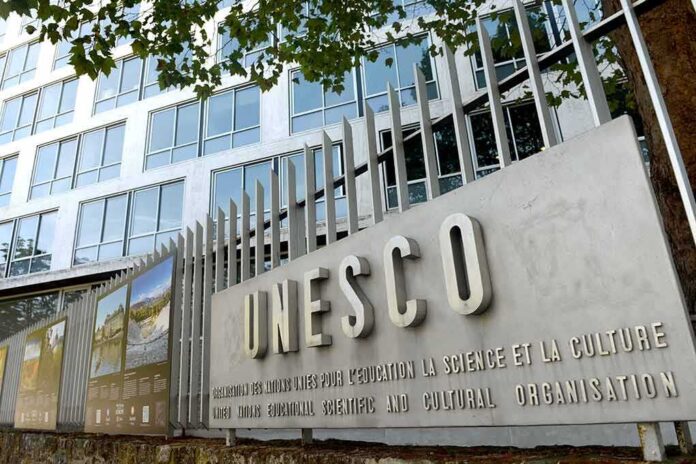
The United States is once again stepping away from UNESCO, leaving many to question the future of international cultural cooperation.
At a Glance
- The Trump administration has decided to withdraw the U.S. from UNESCO by the end of 2026.
- Concerns include UNESCO’s perceived anti-Israel bias and divisive cultural agendas.
- U.S. withdrawal could significantly impact UNESCO’s funding and operations.
- This move is part of a broader shift away from multilateral organizations under the “America First” policy.
Historical Context of U.S. and UNESCO
Since its founding in 1945, UNESCO has been a platform for cultural and educational collaboration. However, the relationship between the United States and UNESCO has been turbulent, marked by multiple withdrawals. From Reagan’s exit in 1983 to rejoining under Bush in 2003, the U.S. has oscillated in its participation. The Trump administration’s initial withdrawal in 2017 was driven by accusations of anti-Israel bias, leading to an official exit in 2019. The Biden administration’s reentry in 2023 aimed to restore U.S. influence, but once again, the Trump administration has chosen to depart, citing ideological differences and a desire to resist globalist influences.
The latest withdrawal announcement came from the U.S. State Department on July 22, 2025. This decision will take effect on December 31, 2026, per the rules of UNESCO’s Constitution. The move raises questions about the long-term viability of U.S. engagement in international cultural and educational forums.
Reasons Behind the Withdrawal
The Trump administration’s stance is clear: UNESCO’s agenda does not align with U.S. interests. According to State Department spokesperson Tammy Bruce, the organization’s focus on divisive social and cultural causes, alongside its prioritization of the UN’s Sustainable Development Goals, is incompatible with the “America First” policy. This sentiment echoes concerns about a perceived globalist agenda and bias against Israel, long-standing issues that have previously driven U.S. withdrawals.
Supporters of the withdrawal argue that it is a necessary step to protect U.S. sovereignty and reject globalist pressures. Critics, however, see it as a retreat from essential international cooperation. The decision notably follows a pattern of the Trump administration’s broader efforts to scale back U.S. involvement in international organizations, including the WHO and the UN Human Rights Council.
Reactions from the International Community
UNESCO Director-General Audrey Azoulay expressed deep regret over the U.S. decision, stating it contradicts UNESCO’s principles of global cooperation. Despite the withdrawal, Azoulay assures that the organization is now better financially protected than in previous years. The departure has elicited mixed reactions globally. French President Emmanuel Macron has reiterated France’s commitment to UNESCO, emphasizing its universal role in promoting science and culture.
On the other hand, Israeli officials have welcomed the U.S. move, viewing it as a stand against what they perceive as UNESCO’s bias against Israeli interests. This highlights the deeply polarized views on the organization’s activities and priorities, especially in the context of Middle East politics.
Implications of the U.S. Withdrawal
The U.S. withdrawal from UNESCO is expected to have significant financial and operational impacts on the organization. As a major donor, the U.S. plays a crucial role in funding UNESCO’s projects worldwide. Its departure will necessitate a reevaluation of programs and funding mechanisms to fill the financial void. Additionally, U.S. absence could shift the balance of power within UNESCO, potentially increasing the influence of other member states.
The decision also has broader implications for international relations. It may embolden other countries skeptical of multilateralism to reconsider their participation. The move reflects a continued trend towards U.S. unilateralism, which may further polarize global alliances and diminish the U.S.’s soft power in cultural and educational diplomacy.