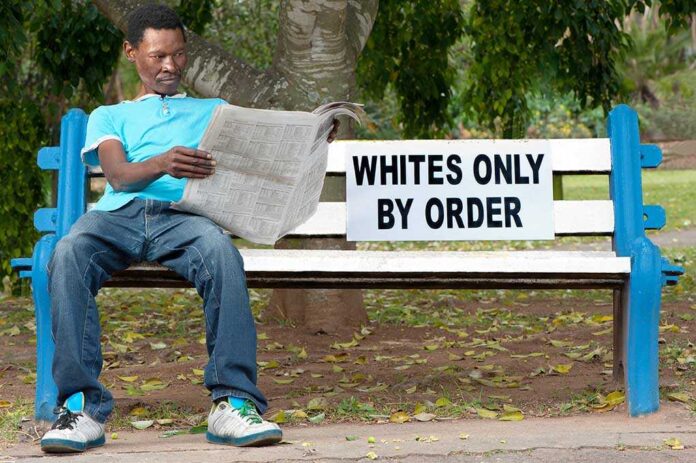
A whites-only settlement in Arkansas is grabbing national attention as its leaders double down on race-based membership, sparking a legal and social firestorm that could set a precedent for the country.
At a Glance
- A whites-only community called “Return to the Land” (RTTL) has been established in the Ozarks, Arkansas, excluding non-white, Jewish, and LGBTQ individuals.
- RTTL is expanding into Missouri amid public outrage, state investigations, and accusations of reviving segregationist practices.
- The group claims legal exemption from civil rights laws by using a Private Membership Association and LLC structure—an argument being challenged by legal experts and officials.
- Arkansas Attorney General Tim Griffin launched an official investigation, while civil rights groups warn about the broader threat to civil rights protections.
Whites-Only Settlement in Arkansas: “Return to the Land” Sparks Legal and Moral Showdown
Return to the Land, or RTTL, sits nestled in the Ozark hills near Ravenden, Arkansas, and has become the latest flashpoint in America’s endless culture war. This isn’t some vague rumor or an internet hoax—this community, founded in October 2023, openly markets itself as a haven for people of “European ancestry” with “traditional views.” The group’s two founders, Eric Orwoll and Peter Csereby, don’t mince words: they want a community for whites only, excluding non-white, Jewish, and LGBTQ Americans, and they’re not shy about it.
RTTL’s leaders claim they’re simply protecting “traditional values” and “ancestry,” but let’s call it what it is: they’re reviving the kind of exclusion and segregation that most Americans thought was buried decades ago. Their rhetoric echoes white separatist and supremacist movements of the past—think Aryan Nations in Idaho or the “Covenant, the Sword, and the Arm of the Lord” in the same Ozark region during the 1980s. But here’s the latest twist: they’re using a Private Membership Association (PMA) and an LLC to argue that anti-discrimination laws don’t apply to them, a legal loophole tactic already raising eyebrows among state officials and civil rights groups.
Expansion Plans and the Legal Crosshairs
As if one whites-only enclave wasn’t enough, RTTL is now actively recruiting members worldwide and planning to expand into Missouri, targeting the Springfield area. Their pitch? Land ownership and a promise of racial homogeneity, with land sold as LLC shares to “vet” prospective members through interviews and ancestry checks. The group boasts about 40 residents on-site, with hundreds more paying for membership. This isn’t some fringe operation in a forgotten corner; it’s a calculated, well-funded push to spread the model across state lines and, if left unchecked, potentially across the nation.
Legal firepower is now aimed squarely at RTTL. In July 2025, Arkansas Attorney General Tim Griffin announced an official investigation, citing “all sorts of legal issues, including constitutional concerns.” Civil rights organizations, including the NAACP, are warning that we’re witnessing a dangerous revival of Jim Crow-era exclusion—except this time, it’s cloaked in contracts and legal jargon instead of “Whites Only” signs. Local officials, already worried about community tensions and economic fallout, are watching closely as the group’s Missouri ambitions take shape.
Broader Implications: Civil Rights and Social Cohesion on the Line
The stakes are enormous. If RTTL’s creative legal maneuvering holds up, it could open the door for other exclusionary groups to use PMAs and LLCs as shields against civil rights enforcement. Experts warn that this could set a precedent, undermining decades of hard-won protections and fueling a new wave of racial segregation under the guise of “private association.” Legal scholars, civil rights experts, and even some real estate professionals see this as a test case for the limits of anti-discrimination law in America’s increasingly polarized climate.
But the fallout isn’t just legal. Local communities in the Ozarks and potentially Missouri could face social unrest, property devaluation, and national reputational harm. Minority groups are directly targeted and excluded, while the broader society risks normalizing extremist ideologies through endless media coverage and legal ambiguity. The entire episode is a stark reminder that the fight over American identity, values, and the Constitution is far from over—especially when calculated legal tactics threaten to unravel the very fabric of civil rights.
Expert and Public Reaction: A Test of American Resolve
Industry experts, from civil rights attorneys to extremism researchers, agree on one thing: RTTL’s model is a rebranded version of white supremacist ideology, dressed up for the 21st century. While supporters frame it as a harmless exercise in free association and cultural preservation, critics rightly point out the obvious—this is exclusion based on race, pure and simple. The group’s own statements, including comparisons to fascist leadership needs, put to rest any notion that this is about “tradition” rather than division.
As the investigation unfolds and the legal challenges mount, the rest of us are left asking: How many more loopholes will be exploited before lawmakers and the courts draw a hard line? Will we allow a patchwork of exclusionary enclaves to take root under the radar, or will the nation finally say enough is enough? One thing’s for certain: The outcome of this case will shape the conversation about race, rights, and the limits of private association for years to come.
Sources:
Black Enterprise: Arkansas AG Investigation
The Independent: RTTL Origins and Public Statements
Times of Israel: Membership Policies and Legal Tactics
Encyclopedia of Arkansas: Historical Context