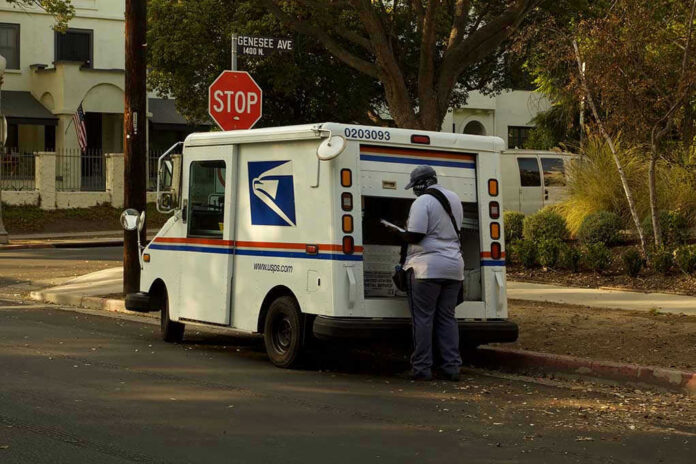
The U.S. Postal Service plans to implement temporary holiday rate increases on top of its already massive 7.4% price hike that took effect in July 2025, squeezing American families and small businesses during the most important shipping season of the year.
Story Highlights
- USPS implemented a 7.4% rate increase in July 2025, raising Forever stamps from 73 to 78 cents
- Additional temporary holiday surcharges are planned for the 2025 shipping season
- The agency lost $9.5 billion in fiscal 2024 and projects $160 billion in losses over the next decade
- Small businesses and rural communities face disproportionate impact from rising postal costs
USPS Hits Americans with Double Postal Price Punch
The United States Postal Service delivered a one-two punch to American consumers and businesses in 2025, first implementing a substantial 7.4% rate increase in July and now preparing additional temporary holiday surcharges. The July increase pushed Forever stamp prices from 73 cents to 78 cents, while shipping services like USPS Ground Advantage saw a 7.1% hike. This aggressive pricing strategy comes as families already struggle with inflation and increased cost of living pressures.
Postmaster General Louis DeJoy filed the rate increase proposal with the Postal Regulatory Commission on April 9, 2025, with new rates taking effect July 13. The timing places additional financial burden on Americans during peak shipping months when families rely on postal services for holiday gifts, care packages, and business transactions. These increases significantly outpace general inflation rates, creating yet another government-imposed cost burden on hardworking taxpayers.
Financial Crisis Drives Relentless Rate Increases
USPS reported staggering financial losses of $9.5 billion for fiscal year 2024, with projections showing cumulative losses reaching $160 billion over the next decade without major structural changes. Mail volumes have plummeted 68% since 2007 as digital communication replaced traditional letters, yet the agency maintains bloated operational costs. Fixed expenses, particularly pension and retiree benefit obligations, account for 80% of the postal service’s losses according to industry analysts.
The agency’s semi-annual rate hike pattern has become a predictable burden for American consumers, typically occurring in January and July. Despite implementing repeated price increases, USPS continues bleeding money due to structural inefficiencies and government-mandated obligations that private competitors don’t face. This cycle of rate hikes without meaningful operational reform represents the kind of government dysfunction that frustrates taxpayers who expect accountability and efficiency.
Small Business and Rural America Bear the Burden
These postal rate increases hit small businesses particularly hard, as many rely on USPS for affordable shipping solutions to compete with larger corporations. Rural communities face even greater challenges since they often lack viable alternatives to postal services for package delivery and mail service. The rate hikes force these businesses to either absorb costs, reducing their profit margins, or pass expenses to customers, potentially pricing out budget-conscious consumers.
@USPS
I will be using your service FAR less this holiday season, guaranteed.USPS to Temporarily Raise Mailing Rates This Holiday Season https://t.co/8By4AG983B via @epochtimes
— RuralSuperDave (alpha male) (@RuralSuperDave) August 10, 2025
Low-income households also suffer disproportionately from postal rate increases, as they depend more heavily on affordable mailing services for essential communications and transactions. The combination of regular rate hikes plus temporary holiday surcharges creates a compounding financial burden during the season when families already face increased expenses. This government agency’s pricing decisions directly impact the economic well-being of the Americans it’s supposed to serve.
Sources:
Budget Lab at Yale – State of US Tariffs August 7, 2025
Bureau of Labor Statistics – Consumer Price Index News Release
Zenventory – USPS Shipping Rate Hike: What to Know
USPS News – USPS Adjusts Prices