
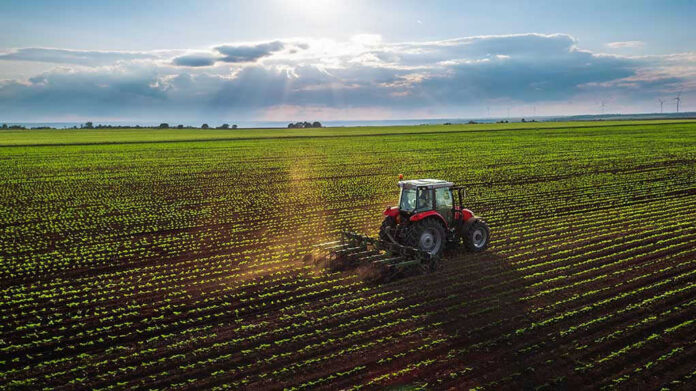
US Agriculture Secretary Brooke Rollins has drawn a line in the soil, declaring new restrictions on foreign adversaries—especially China—when it comes to owning American farmland, and the real question is why it took this long for common sense to prevail.
At a Glance
- The USDA, under Secretary Rollins, is rolling out measures to block foreign adversaries like China from buying up US farmland.
- Concerns over national security, food supply, and rural economics have reached a boiling point as foreign land ownership rises.
- States have started enacting their own restrictions, now bolstered by this federal move.
- The policy has ignited debate over food security, global capital, and government overreach.
USDA Cracks Down on Foreign Land Grabs: Finally, Someone Notices
The Department of Agriculture, led by Brooke Rollins, has announced a long-overdue plan to clamp down on “foreign adversaries”—China front and center—snapping up American farmland. After years of watching American soil fall into foreign hands while Washington fiddled around, Rollins’ move signals a shift back to putting the interests of US farmers and families first. The new policy, years in the making, aims to halt or rigorously review any farmland transactions involving entities tied to nations the government labels adversarial.
This isn’t just a bureaucratic shuffle. It’s a direct response to mounting bipartisan outrage over Chinese corporations and shadowy foreign interests buying up farmland near sensitive military bases and critical infrastructure. Remember the 2013 Smithfield Foods takeover? That wasn’t just about pork chops—it was about foreign leverage over the American food supply. Congress, state governments, and watchdogs have been sounding the alarm for years, but it took a Secretary with a spine to actually put policy into action.
State and Federal Action Collide—Finally, Some Backbone
Multiple states—Texas, Florida, and North Dakota among them—haven’t waited around for Washington. They’ve already pushed through their own bans and restrictions on foreign ownership of agricultural land, with China specifically in the crosshairs. These laws add teeth to the new federal push, reinforcing the message: American farmland is not for sale to those who would use it against us. While the specifics of enforcement are still rolling out, the message is clear—USDA, Congress, and the Trump administration are done playing nice with foreign buyers looking to turn strategic American land into overseas assets.
National security agencies, including the Committee on Foreign Investment in the United States (CFIUS), have occasionally stepped in to block suspicious deals. But the new USDA measures aim to ensure these interventions aren’t rare exceptions, but the rule. Expect increased scrutiny, more red tape for foreign buyers, and a lot more questions before any international handshake closes a land deal.
Winners, Losers, and the Big Picture
US farmers and rural communities stand to gain from less competition by deep-pocketed foreign investors. For once, the government is putting American producers and rural families above the interests of global capital. Sure, land prices might cool off, and some brokers will grumble about fewer foreign checks clearing. But if the price of sovereignty is a little less Wall Street speculation, most Americans will take that deal any day of the week.
Of course, there are critics—usually the same voices who never saw a foreign investment they didn’t love—howling about trade retaliation, lost capital, and the supposed economic “benefits” of letting adversarial nations own our food supply. Their argument: We shouldn’t “overreact” and risk scaring off foreign dollars. Our argument: Selling out the family farm to Beijing is the very definition of an overreaction to globalism and government overreach.
What Comes Next: The Fight Isn’t Over
The policy is still in the implementation phase, with details about which countries qualify as “adversaries” and how enforcement will work coming soon. Congress is already moving to codify and possibly expand these restrictions, and legal challenges from foreign investors or their US partners are practically guaranteed. But the tide has turned—finally—with momentum firmly on the side of national security, food sovereignty, and the American family farm.
As the enforcement unfolds, watch for pushback from the usual suspects: international investment groups, foreign governments, and domestic lobbyists who never met a dollar they didn’t want—no matter where it came from. But for the millions of Americans who’ve watched their communities hollow out while foreign investors buy up the heartland, this is a rare moment when Washington, for once, seems to remember whose side it’s supposed to be on.