
What happens when the President of the United States demands a network fire its late-night comedy host—and the nation’s top broadcast regulator publicly echoes that call?
Story Snapshot
- Donald Trump called for NBC to fire Seth Meyers after critical on-air segments
- FCC Chairman Brendan Carr reposted Trump’s demand, amplifying executive pressure
- The episode magnifies anxieties about regulatory independence and free speech
- Late-night television faces heightened political scrutiny and industry turbulence
Political Power Collides With Late-Night Television
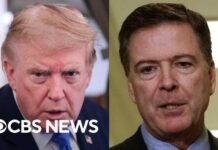
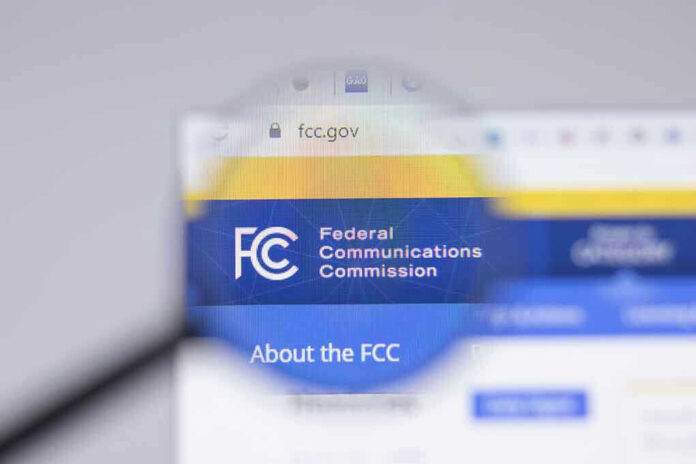
On the weekend before November 16, 2025, Donald Trump used Truth Social to demand that NBC terminate Seth Meyers, the late-night host famous for lampooning political figures. Trump accused Meyers of “Trump derangement syndrome” and claimed his monologues were part of a Democratic “hoax” tied to the release of Epstein-related emails involving Trump. FCC Chairman Brendan Carr, a federal official tasked with regulating broadcasters, reposted Trump’s demand on X (formerly Twitter), a move that instantly escalated the controversy and blurred lines between executive politics and regulatory authority.
This collision of presidential power, regulatory oversight, and network programming is not without precedent, but the direct involvement of the FCC Chairman in amplifying a political attack on a media personality is extraordinary. Historically, the FCC maintains strict neutrality in content disputes, keeping distance from partisan demands. Carr’s repost marked a dramatic break from tradition, raising alarms for both free speech advocates and industry insiders.
Late-Night Industry Under Siege: Context and Fallout
The late-night television sector has endured a year of turbulence. Jimmy Kimmel was suspended after controversial remarks about Charlie Kirk’s assassination, prompting an FCC probe into ABC. Steven Colbert’s show was abruptly cancelled. The House Oversight Committee released three Epstein emails referencing Trump, with calls mounting for the full release of the Epstein files. Meyers covered these developments extensively, blending criticism of Trump with jabs at Democrats, including Joe Biden and Chuck Schumer. The timing of Trump’s demand—coming on the heels of Meyers’ Epstein coverage—suggests a calculated response to mounting scrutiny.
Regulatory scrutiny on late-night hosts has become more aggressive, with federal officials increasingly engaged in the content wars. The intertwining of entertainment and politics in this era has produced an environment where a punchline can trigger investigations, suspensions, or even calls for termination from the highest offices.
Free Speech, Regulatory Independence, and Industry Precedent
The Trump-Carr episode places the principle of regulatory independence under the microscope. The FCC, as an independent agency, is intended to act as a neutral arbiter—not a political instrument. Carr’s public endorsement of Trump’s demand challenges that tradition, risking the erosion of boundaries meant to safeguard editorial independence and free expression. First Amendment advocates warn that the normalization of such interventions could chill political satire and commentary across the industry.
For NBC, the pressure is acute. The network must navigate regulatory compliance, advertiser expectations, and the risk of public backlash. Meyers faces career uncertainty, with speculation swirling about his on-air response and possible repercussions. The broader late-night community is watching closely, aware that the outcome could set a precedent for how networks respond to future executive or regulatory demands.
Political Communication and Strategic Amplification
Trump’s strategy leverages direct social media communication to bypass traditional gatekeepers, making demands with immediacy and maximum visibility. Carr’s amplification adds the weight of regulatory authority, signaling to networks that even independent agencies may not be immune to political pressure. This coordinated messaging—combining presidential influence with regulatory muscle—represents a sophisticated evolution in the ongoing battle between the White House and the mainstream media.
The full extent of coordination between Trump and Carr remains unclear, but the implications for democratic norms and media freedom are profound. The incident has ignited debate over separation of powers, agency autonomy, and the limits of political communication. As of November 16, NBC and Meyers had yet to respond publicly, creating suspense over whether Meyers would address the controversy on air.