Gavin Newsom’s latest “we’re here to help” message is raising eyebrows because Tennessee leaders say they never asked for—nor even discussed—any California aid.
Story Snapshot
- California Gov. Gavin Newsom said he was deploying an emergency response team to Tennessee after a snowstorm.
- Tennessee officials and a conservative activist publicly said there had been no contact or coordination from Newsom’s office.
- The dispute spotlights how interstate disaster assistance usually works through formal requests, not surprise announcements.
- Critics argue Newsom’s pledge clashes with ongoing complaints about slow recovery efforts for California wildfire victims.
Newsom’s Tennessee Pledge Collides With Tennessee’s “No One Called Us” Response
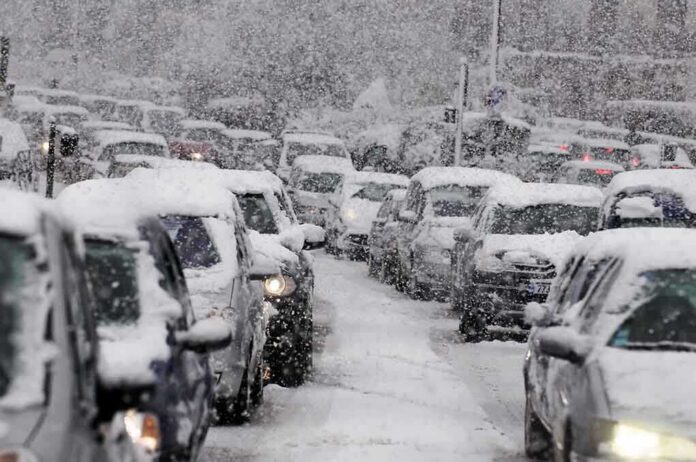
Gavin Newsom posted on X on January 29, 2026, that he was “deploying an emergency response team” to assist Tennesseans after a snowstorm the prior weekend, adding that California would “always answer the call” to support fellow Americans. Within hours, the story turned less about storm recovery and more about process: multiple Tennessee-side voices said there had been no outreach, request, or coordination tied to the governor’s public pledge.
Return to Sender: Gavin Newsom Pledges 'Aid' To Tennessee But There's Just One Big Problem https://t.co/9RrTr2OgiC
— Twitchy Updates (@Twitchy_Updates) January 29, 2026
Conservative activist Robby Starbuck said he spoke with Tennessee Gov. Bill Lee’s team and was told there had been zero communication from Newsom. Tennessee House Speaker Cameron Sexton also publicly stated that Tennessee leaders had not heard from Newsom, framing the announcement as political messaging rather than operational help. Based on the available reporting, there is still no public evidence that an actual deployment occurred beyond the initial post and the media dispute.
How Interstate Disaster Aid Typically Works—and Why Coordination Matters
States routinely assist each other after disasters, but the standard model runs through formal channels, including the Emergency Management Assistance Compact (EMAC), where a state requests support and the assisting state sends resources under defined terms. That structure protects taxpayers, clarifies command-and-control, and prevents confusion on the ground. When a governor announces aid without a documented request, it can create public expectations that don’t match reality and complicate the messaging of local officials managing recovery.
The Tennessee snowstorm timing matters because weather events often trigger rapid, routine mutual aid discussions between emergency management teams. In this case, the public record described in the reporting focuses on a gap: Tennessee officials saying they did not ask for help and had not been contacted, and Newsom asserting he was sending it anyway. Without documentation of a request, acceptance, or staging plan, it is difficult to verify what resources were actually mobilized and where they would have been directed.
California’s Own Disaster Backlog Becomes Part of the Political Argument
Criticism of Newsom’s pledge quickly pivoted back to California, where opponents argue residents have watched slow recovery after major wildfires while state leadership pursues high-profile national messaging. The commentary referenced delayed rebuilding and permitting problems for wildfire-impacted communities, holding up those frustrations as a contrast to an out-of-state assistance announcement. The underlying issue for voters is competence and prioritization: a state struggling at home looks tone-deaf when it advertises rescue missions elsewhere.
A Pattern of National Messaging: Tennessee Has Been a Past Target
The Tennessee angle is not happening in a vacuum. In 2024, Newsom backed a multistate advertising campaign aimed at fighting abortion travel restrictions and related policies in Republican-led states, including Tennessee. That earlier push reinforced the perception that Newsom is building a national brand by inserting himself into red-state fights. With 2028 chatter already swirling in political media, this snowstorm pledge is being read by critics through the same lens: attention first, logistics second.
What’s Confirmed, What’s Unclear, and Why It Matters Going Forward
Confirmed: Newsom publicly stated he was deploying a response team to Tennessee after the storm. Also confirmed in the reporting: Tennessee-side voices said there was no coordination or request, undercutting the premise that California was “answering the call.” Unclear: whether any team was actually dispatched, what capabilities were offered, or whether Tennessee would accept them later. Limited neutral reporting is available in the provided research, so the operational facts remain thin.
For conservatives who value accountable, limited government, the takeaway is practical: disaster response works best when it’s transparent, requested, and coordinated—not when it’s announced like a campaign press release. If interstate aid becomes performative, it risks eroding trust in emergency management at exactly the moment Americans need competent governance. Tennessee’s pushback also signals a broader red-state insistence on sovereignty and clarity: help is welcome when it’s real, not when it’s theater.
Sources:
Return to Sender: Gavin Newsom Pledges ‘Aid’ To Tennessee But There’s Just One Big Problem
Newsom unveils multistate ad campaign to fight abortion travel restrictions in red states
Hot Take: The National Rifle Association Agrees With Governor Newsom
Gavin Newsom’s legacy: Can he deliver on unmet promises in his final year as governor?