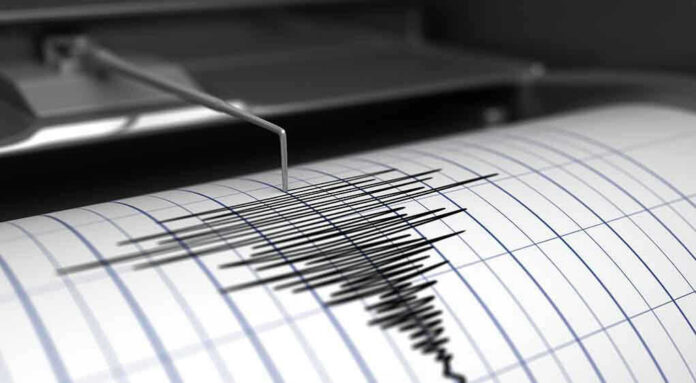
A 6.5-magnitude earthquake not only shook Mexico City but also underscored the seismic vulnerability of its foundation.
Story Overview
- The earthquake struck near San Marcos, Guerrero, Mexico.
- No major damage or casualties were reported initially.
- Seismic alerts and evacuations were triggered, including at the presidential palace.
- Mexico City’s geological vulnerability was highlighted again.
Earthquake Strikes Amidst Political Activity
The tremor hit at 07:58:15 local time on January 2, 2026. Its epicenter was 15 km southwest of San Marcos, Guerrero, at a shallow depth of 10 km. The quake’s impact was felt strongly in Mexico City, interrupting high-profile government activities, including President Claudia Sheinbaum’s press conference. Despite the alarm, no major damage or casualties were initially reported, demonstrating the effectiveness of Mexico’s seismic alert systems. Such systems are crucial in a city where even distant quakes can have amplified effects.
This earthquake serves as a reminder of the region’s susceptibility to seismic activity due to its location on the Pacific Ring of Fire. The subduction of the Cocos Plate beneath the North American Plate is a frequent cause of earthquakes. Mexico City’s lake-bed subsoil further exacerbates the shaking from these distant events, making the city particularly vulnerable.
Government and Public Response
President Sheinbaum and her team acted swiftly, evacuating the National Palace during the quake. After consulting with Guerrero Governor Evelyn Salgado, Sheinbaum confirmed no significant damage in Guerrero or Mexico City. The National Seismological Service (SSN) and the U.S. Geological Survey (USGS) provided preliminary data on the quake’s magnitude and epicenter, highlighting minor discrepancies in location and depth. Civil Protection Authorities activated emergency protocols, ensuring public safety and monitoring for potential aftershocks.
The rapid response and communication by federal and state authorities, along with the efficient functioning of the seismic alert system, highlight a well-coordinated emergency response framework. This collaboration underscores the importance of preparedness in minimizing panic and ensuring public safety.
Historical Context and Current Developments
The 1985 magnitude 8.1 earthquake in Guerrero is a stark reminder of the potential devastation such natural events can cause. That quake led to massive loss of life and highlighted the need for improved building codes and early warning systems. The recent quake, however, has shown that improvements have been made, as no major damage was reported despite the significant magnitude.
As of the latest updates, no major damage or injuries have been reported. Authorities continue to monitor the situation for aftershocks. The earthquake’s timing during the president’s first 2026 press conference adds an interesting dimension to the story, as it tests the resilience of Mexico’s emergency response systems in real-time.
Implications and Future Preparedness
The immediate implications of the quake include temporary disruptions and a heightened state of alert among residents and officials. Long-term, the event reinforces the need for continued investment in infrastructure resilience, particularly in high-risk areas like Mexico City and Acapulco. The tourism industry, vital to the Guerrero region, remains unaffected for now, but the incident serves as a reminder of the importance of preparedness in ensuring visitor safety.
Overall, the swift and effective response to the earthquake demonstrates a significant advancement in Mexico’s ability to handle such natural disasters. It also highlights the ongoing need for vigilance and preparedness in a region where seismic activity is a constant threat.