When an animated comedy finally dares to put Israel’s most controversial leader face-to-face with the mother of South Park’s most anxious Jewish child, you know the gloves are off—and no sacred cow is safe.
Story Overview
- South Park’s “Conflict of Interest” episode delivers a ruthless satire of Benjamin Netanyahu and the Gaza war.
- The plot uses a betting app to expose how American Jews are pressured to answer for Israeli government actions.
- Sheila Broflovski’s confrontation with Netanyahu encapsulates the diaspora’s frustration and the dangers of conflating Jewish identity with Israeli policy.
- The episode’s unfiltered humor ignites real-world debate over media responsibility, antisemitism, and free speech.
South Park’s Satirical Blitz: Netanyahu Faces the Cartoons
South Park’s “Conflict of Interest” didn’t just lampoon the ongoing Gaza war—it detonated a cultural grenade right in the lap of Israel’s Prime Minister, Benjamin Netanyahu. The episode’s audacious premise: a betting app spreads through South Park, letting users gamble on whether Kyle Broflovski’s mom, Sheila, will bomb Gaza. As the digital odds soar, so does the tension, yanking Sheila all the way to Netanyahu’s Jerusalem office for a showdown nobody saw coming.
Sheila’s journey is more than cartoon farce—it’s a sharp allegory for the real-world expectations that American Jews must navigate. The episode targets a raw nerve: the demand that Jews in the US answer for every action of the Israeli government, a reality intensified by social media echo chambers and the relentless news cycle. As Cartman gleefully exploits the “Gaza pool” app for laughs and profit, Kyle and his family become unwilling avatars for a much larger, global anxiety. The satire is relentless, sparing neither the media, the FCC, nor diaspora Jewish communities caught in the political crossfire.
Netanyahu Under the Microscope: No Escape from Satire
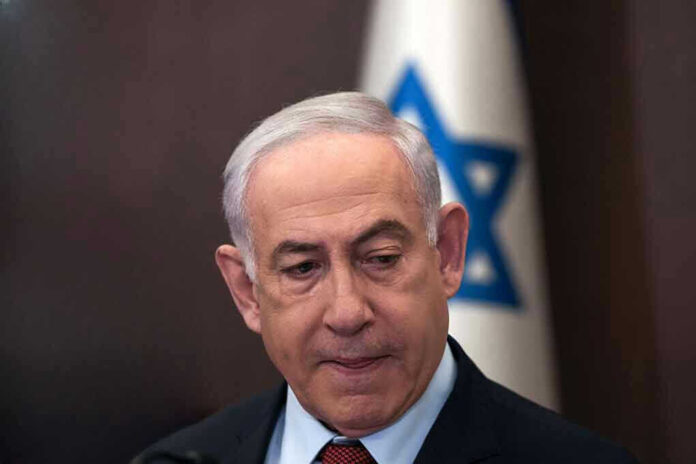
Benjamin Netanyahu, already embattled by the ongoing war in Gaza and mounting international scrutiny, gets a caricature as unflinching as any in South Park’s long history. The episode’s creators pull no punches, painting Bibi as both calculating and self-righteous, wielding Judaism as a shield for controversial policies. The climactic scene lands with the force of a prime-time exposé: Sheila, pushed to her limit, confronts Netanyahu directly. “You’re making life for Jews miserable and life for American Jews impossible!” she shouts, a line that echoes far beyond animation and into the heart of contemporary Jewish discourse.
This rare direct collision between a fictional character and a real-world leader is more than a gag. It’s a pointed commentary on power, accountability, and the peril of conflating religious identity with statecraft. Sheila’s outrage mirrors genuine frustrations circulating in Jewish communities worldwide, especially as antisemitism spikes and the Israel-Palestine debate grows ever more polarized. Netanyahu’s defense rings hollow against the backdrop of South Park’s trademark irreverence—turning the Prime Minister, for a moment, into just another foil for the show’s merciless truth-telling.
The Betting App Gimmick: Satire Meets Social Commentary
The fictional betting app at the center of the episode isn’t just a plot device; it’s a razor-sharp metaphor for the commodification of conflict and the way technology amplifies prejudice. By allowing South Park residents to gamble on Gaza’s fate, the show skewers both the trivialization of war and the public’s appetite for spectacle. Cartman’s role as instigator underscores how easily bigotry and misunderstanding can be monetized—especially when the line between jest and genuine hostility blurs.
This satirical lens extends to the episode’s treatment of media coverage and public debate. Al-Jazeera’s fictional reporting on Sheila’s arrival in Israel, FCC Chairman Brendan Carr’s lampooned attempts at censorship, and the viral spread of the betting app all serve to highlight the absurdity and danger of reducing complex human tragedies to fodder for entertainment and outrage. The episode’s willingness to “go there” signals a new era in animated political satire, where real-time events are dissected with surgical precision—and no audience is left unchallenged.
Aftershocks: Public Reaction and What Comes Next
Media and Jewish organizations reacted swiftly to the episode, amplifying its key moments and sparking heated debate. Some praised South Park for its fearless honesty, calling the confrontation with Netanyahu a necessary airing of diaspora grievances. Others accused the show of reinforcing stereotypes or trivializing a deadly conflict. Regardless, the episode’s cultural impact is undeniable. It has forced uncomfortable conversations about the expectations placed on American Jews, the ethics of satire, and the responsibilities of media in wartime.
Long-term, “Conflict of Interest” may set a precedent for how animated media tackles real-time geopolitical crises. The episode’s fusion of dark humor and incisive commentary is likely to embolden other creators—and perhaps even policymakers—to address the uncomfortable intersections of identity, politics, and public perception. For American Jews, Israelis, and anyone concerned with the power of satire, South Park’s latest salvo is a reminder: sometimes it takes a cartoon to force the world to confront its most pressing contradictions.