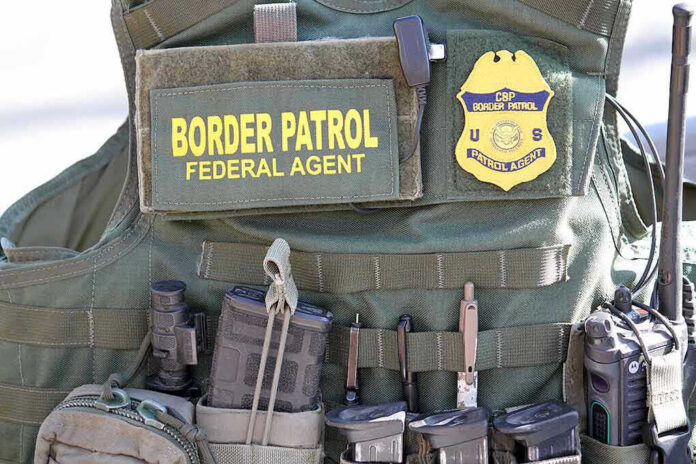
Gunfire erupting in the heart of Chicago’s Little Village as federal Border Patrol agents come under attack isn’t just another flashpoint—it’s a signal flare for the nation’s most contentious collision between law enforcement and community resistance.
Story Snapshot
- Gunshots fired directly at U.S. Border Patrol agents during a controversial immigration enforcement operation.
- Escalating violence tied to Operation Midway Blitz, with protests and property damage amplifying tensions.
- Judicial intervention restricting agents’ use of force days before the incident.
- Federal, local, and community actors now locked in a high-stakes struggle over the future of immigration enforcement in sanctuary cities.
Federal Agents Targeted Amidst Urban Tension
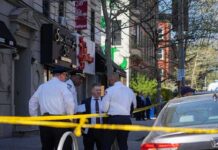
On the morning of November 8, 2025, U.S. Border Patrol agents rolled into Chicago’s Little Village, a densely populated neighborhood known for its vibrant Mexican-American community. Tasked with executing Operation Midway Blitz, agents faced a hostile reception. Around 9:30 AM, a man driving a black Jeep fired multiple shots at the agents, who escaped injury only through swift action. The suspect vanished, triggering a citywide manhunt and a media frenzy questioning the boundaries of federal authority in local neighborhoods.
Hostility did not end with the shooting. Protesters hurled bricks and paint cans at federal vehicles, intensifying confrontations that left property damaged and tempers frayed. Chicago Police scrambled to assist Border Patrol in evacuating the area, yet the agents’ convoy encountered further resistance, including a failed vehicle ramming that ended with a suspect’s arrest. The morning’s chaos spilled over near an FBI facility, where another attempted breach was thwarted, underscoring the volatility of the operation’s aftermath.
Operation Midway Blitz: Roots of a Standoff
Operation Midway Blitz began two months earlier, rapidly escalating federal immigration enforcement in immigrant-heavy Chicago neighborhoods. Little Village emerged as a focal point, drawing both DHS agents and fierce community opposition. Sanctuary city policies, recent judicial injunctions restricting agent force, and a history of alleged misconduct set the stage for direct confrontation. Organized groups monitored federal raids, while legal challenges and local officials amplified scrutiny, making every enforcement move a flashpoint for protest and public debate.
Chicago’s legacy as a sanctuary city is built on resistance to federal immigration crackdowns. This tradition fueled organized “ICE watch” teams, advocacy group mobilizations, and judicial efforts to limit the reach and tactics of federal agents. The November 8 shooting punctuated a dramatic escalation and galvanized both supporters of tough enforcement and defenders of community autonomy, pushing legal, political, and social boundaries to their breaking point.
Stakeholders Confront Power and Principle
Federal agencies—Border Patrol and DHS—insist their operations are vital for upholding immigration law and agent safety. The Chicago Police Department walks a tightrope: supporting federal efforts while maintaining local trust. Residents and protesters see the raids as existential threats to their community, rallying against what they view as overreach and intimidation. Advocacy groups document every move, seeking to defend immigrant rights and expose excesses, while federal judges and the DOJ battle over the rules of engagement.
Power dynamics shift daily. Senior officials on both sides jockey for influence, while local leaders and grassroots organizers shape public sentiment. Judicial oversight acts as a critical check, with recent injunctions heightening the stakes and fueling DOJ appeals. The result is a standoff where every action—whether gunfire, protest, or legal ruling—reverberates through the city and beyond, with national implications for how sanctuary city policies intersect with federal enforcement priorities.
Impact Echoes Across City and Nation
Short-term, Little Village reels from heightened fear and unrest. Residents face a palpable threat, and law enforcement officials brace for more violence. Businesses suffer as daily life is disrupted by protests and police presence, and the search for the shooter amplifies anxiety. Long-term, the incident could drive changes in federal-local cooperation, push legal precedents on use of force, and reshape the contours of immigration enforcement nationwide.
Social polarization deepens, with the incident fanning flames of debate over law enforcement tactics, immigrant rights, and the future of sanctuary cities. Civil rights advocates warn that aggressive operations erode trust and fragment community cohesion, while law enforcement experts argue for the necessity of robust protocols and agent protection. Legal scholars point to the judicial intervention as a watershed moment, suggesting broader challenges to federal power may follow if violence and confrontation remain unchecked.
Sources:
ABC News: Shots fired at Border Patrol agents in Chicago
ABC7 Chicago: Immigration agents, shots fired, Little Village
ABC News Video: DHS shooter at large after firing at Border Patrol in Chicago