FDA continues to push COVID-19 vaccines for pregnant women despite growing controversy and Senate findings that Biden’s administration concealed known myocarditis risks from the public.
Key Takeaways
- FDA plans to maintain recommendations for COVID-19 vaccines for pregnant women while acknowledging need for new randomized trials for healthy population under 65
- Senate report reveals Biden administration allegedly delayed warning the public about myocarditis risks from COVID vaccines
- Medical organizations like CDC and ACOG continue strongly recommending vaccination during pregnancy despite safety concerns
- Critics argue vaccination guidelines have barely shifted despite mounting questions about necessity for low-risk populations
FDA Maintains Vaccination Recommendations for Pregnant Women
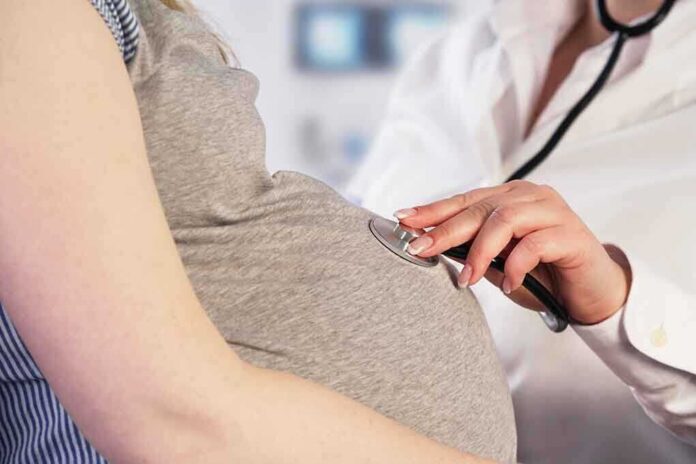
The Food and Drug Administration continues to recommend COVID-19 vaccines for pregnant women despite growing calls for new safety trials. While the agency has indicated future COVID shots for healthy individuals will require randomized controlled trials, it has carved out exceptions for several groups deemed high-risk, including pregnant women. The recommendation persists despite increasing skepticism about vaccine safety and efficacy for certain populations, particularly as the pandemic phase of COVID-19 has largely subsided and concerns about side effects have emerged through various studies and reports.
“For all healthy persons — those with no risk factors for severe Covid-19 — between the ages of 6 months and 64 years, the FDA anticipates the need for randomized, controlled trial data evaluating clinical outcomes before Biologics License Applications can be granted,” stated FDA.
The CDC continues to assert that vaccination during pregnancy is both safe and effective, claiming it poses no fertility risks and offers protection for both mother and baby. According to official guidance, pregnant individuals face higher risks of severe COVID-19 illness, potentially leading to complications such as preterm birth or stillbirth. These claims form the basis for their ongoing recommendation that everyone aged 6 months and older should receive COVID vaccines, including pregnant, breastfeeding, or those planning pregnancy.
Concealed Risks and Critical Perspectives
A troubling Senate report has emerged alleging that the Biden administration was aware of myocarditis risks following COVID-19 vaccination but deliberately delayed issuing public warnings. This revelation has intensified scrutiny of vaccine safety protocols and transparency in risk communication. Critics argue that Americans were not given complete information about potential vaccine risks, particularly for younger populations where the risk-benefit calculation differs substantially from elderly or high-risk groups.
“So the news leak was a lie. The shots will continue to be given to children and pregnant women,” said Dr. Mary Talley Bowden.
Many medical professionals have voiced concerns about the continued blanket recommendations for populations that face minimal COVID-19 risks. The fact that the FDA now acknowledges the need for clinical trials data before granting full approval for future shots in healthy individuals represents a significant shift in position, though critics maintain this change comes too late after millions received vaccines without such rigorous testing. Despite these concerns, the agency maintains its position on vaccination for pregnant women.
Medical Establishment Remains Firm Despite Questions
Both the CDC and American College of Obstetricians and Gynecologists (ACOG) continue to strongly recommend COVID-19 vaccination during pregnancy. The CDC’s website states unequivocally that COVID-19 vaccines are safe during pregnancy and claims they may prevent stillbirths and preterm delivery. Similarly, ACOG emphasizes the risks of COVID-19 infection during pregnancy, pointing to increased chances of ICU admission, mechanical ventilation, and death compared to non-pregnant individuals.
“COVID-19 vaccination remains the best protection against COVID-19-related hospitalization and death for you and your baby,” stated CDC.
However, these recommendations have been challenged by various experts who point to limitations in the original safety studies, the rapid development timeline, and emerging data suggesting potential concerns. With President Trump’s administration now overseeing the FDA, many conservatives had hoped for a more critical reassessment of COVID vaccine policies, particularly for young people and pregnant women. The FDA’s decision to continue recommending these vaccines for pregnant women while acknowledging the need for more robust trials for future shots represents a position that many view as inconsistent.
Moving Forward: Balance of Caution and Choice
The conversation around COVID-19 vaccination during pregnancy highlights a broader tension between public health recommendations and individual risk assessment. While official agencies continue to promote vaccination based on their interpretation of available data, many Americans have grown increasingly skeptical of blanket medical recommendations that don’t account for individual risk factors, natural immunity, or personal health history. As more data emerges about both COVID-19 itself and the vaccines developed to combat it, the debate will likely continue to evolve.
For pregnant women navigating these complex decisions, the contradictory messages from different sources create a challenging landscape. The FDA’s acknowledgment that future COVID shots will require more rigorous testing before approval suggests a recognition that the original emergency authorization process had limitations. Yet their continued recommendation for vaccination during pregnancy indicates they believe the benefits outweigh potential risks for this population. Ultimately, these decisions highlight the ongoing tension between institutional public health guidance and individuals’ right to make informed medical choices.