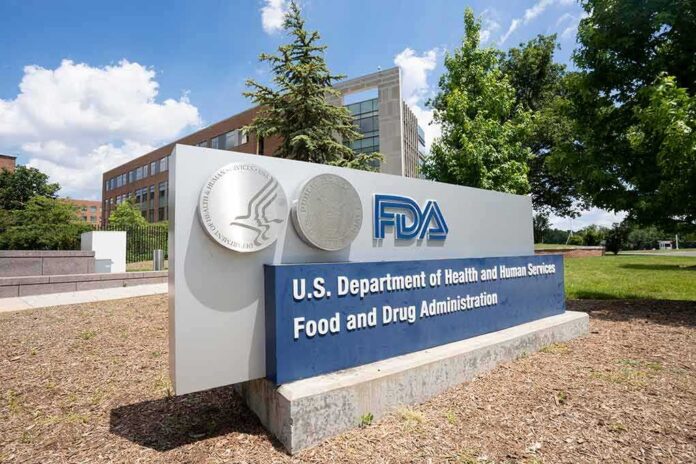
FDA discovers Americans’ DNA was secretly sent to China for years, prompting an immediate halt to all genetic transfers to hostile nations in a sweeping security overhaul.
Key Takeaways
- The FDA has stopped all new clinical trials involving export of American citizens’ cells to foreign labs in hostile countries, including China, after discovering participants were often not informed.
- Previous Biden Administration rules contained a dangerous loophole allowing transfer of DNA for foreign processing by companies linked to the Chinese Communist Party.
- FDA Commissioner Dr. Marty Makary directly accused the previous administration of having “turned a blind eye” to the security threat posed by sending American DNA abroad.
- The ban is specifically aimed at addressing threats of biological warfare and bioterrorism from foreign adversaries, particularly the Chinese Communist Party.
- All existing trials are under review, with new requirements for transparency, proper consent, and domestic handling of sensitive biological materials.
Americans’ DNA Shipped to China Without Consent
In a stunning revelation from the FDA, Americans’ genetic material has been routinely sent to laboratories in China and other hostile nations, often without patients’ knowledge or consent. The FDA has now completely halted this practice, citing serious national security concerns about how foreign adversaries might exploit this sensitive biological data. The program, which operated under a dangerous loophole in data security rules created during the Biden administration, specifically exempted DNA transfers for processing abroad, including to facilities with direct ties to the Chinese Communist Party.
“The previous administration turned a blind eye and allowed American DNA to be sent abroad — often without the knowledge or understanding of trial participants,” said Dr. Marty Makary, FDA Commissioner.
Biosecurity Threats Prompt Immediate Action
The FDA’s decisive action comes amid mounting evidence that China and other hostile nations could potentially use American genetic data for biowarfare or bioterrorism purposes. Security experts have long warned about the dual-use nature of genetic material, which while valuable for medical research, could also be weaponized by adversaries. The ban specifically targets the export of cells for genetic engineering purposes, a field where China has emerged as a global leader offering cost-effective solutions for handling complex genetic data. This cost advantage created a dangerous dependency that compromised America’s biosecurity posture.
“The Food and Drug Administration has halted a program that allowed the transfer of U.S. citizens’ biological samples to China and other ‘hostile countries,'” stated the Food and Drug Administration.
Comprehensive Review and Enhanced Protections
The FDA has launched a comprehensive review of all clinical trials involving the international transfer of Americans’ biological material. Going forward, any research involving human genetic samples must maintain complete transparency with participants, obtain proper ethical consent, and handle all biological materials domestically. This regulatory overhaul aims to restore public trust in biomedical research while protecting national security interests. No new trials failing to meet these standards will be permitted to proceed, effectively ending years of lax oversight that put sensitive American genetic data at risk.
Executive Branch Alignment
The FDA’s action directly aligns with Executive Orders 14117 and 14292 signed by President Trump, which aim to prevent foreign adversaries from exploiting sensitive biological data. The agency is working closely with the National Institutes of Health to ensure all federally funded research complies with these new security standards. This coordinated approach represents a significant shift in how America handles sensitive genetic information, prioritizing both scientific advancement and national security. The previous administration’s permissive approach to international data sharing created vulnerabilities that required immediate correction to protect American citizens and their genetic privacy.
Future of International Research Cooperation
While the ban primarily targets hostile nations, it raises important questions about the future of international research cooperation. The bilateral flow of genetic specimens has historically enriched the understanding of disease resistance across populations, leading to medical breakthroughs that benefit humanity. However, the security risks now clearly outweigh these benefits when dealing with adversarial nations. The FDA’s decision signals a new era where scientific collaboration must be balanced with robust security measures to ensure America maintains its scientific edge without compromising its citizens’ genetic privacy or national security interests.