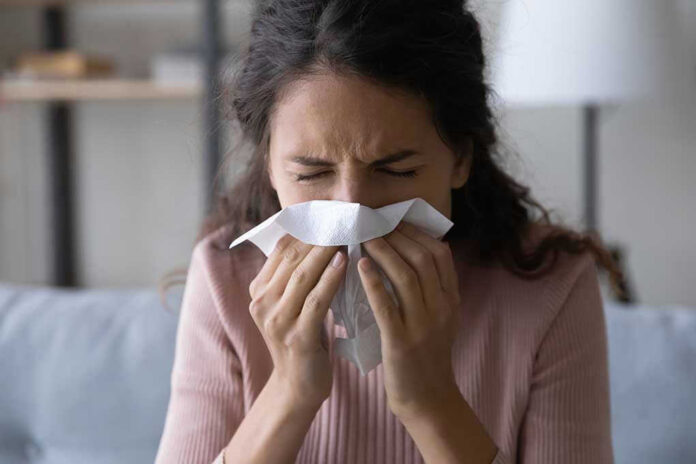
Every spring, millions of Americans try to escape allergy season—only to discover that when it comes to pollen, there’s nowhere left to hide, and the map of misery keeps getting bigger every year.
At a Glance
- No U.S. city is safe from the rising tide of seasonal pollen allergies.
- Climate change has turned allergy seasons into a year-round, nationwide ordeal.
- Wichita, Kansas is crowned “Worst Place for Allergy Sufferers” for the third year running.
- Allergy suffering is now a public health crisis, not just a personal nuisance.
Welcome to Allergy Nation: The Geography of Suffering
Picture this: You’re plotting your spring escape from those relentless sniffles. Maybe you imagine a pollen-free paradise—perhaps a windswept beach in Maine or an arid retreat in the Southwest. But according to the Asthma and Allergy Foundation of America, that fantasy is as dated as disco. Their 2025 “Allergy Capitals” report reads like a horror map for the sneeze-prone. Wichita, Kansas? Worse than ever. The South and Southeast? Prepare for pollen Armageddon. Even New Orleans, formerly famous for jazz and beignets, has now climbed the rankings thanks to hurricanes and record-breaking warmth. If you’re thinking Boston might be your nasal sanctuary, you’re partly right—it’s the least challenging city, but “least challenging” still means you’ll need tissues. In short: if your immune system hates pollen, America has become a giant, inescapable hay fever theme park.
Allergists and researchers confirm that climate change is driving this allergy arms race. Warmer winters and longer growing seasons mean plants release more pollen for longer stretches of the year. In 2025, allergy season didn’t just start early—it never really stopped. From California’s valleys to the muggy Gulf Coast, pollen counts are smashing records. And if you think you can swap one region’s pollen for another, think again. Tree, grass, and weed pollens each have their own schedules, so wherever you go, something’s always ready to ambush your sinuses.
How Climate Change Supercharged Your Allergies
Blame the weather, but not just any weather—blame a warming planet. Scientists and public health officials have tracked a steady, unmistakable trend: allergy seasons are starting earlier, lasting longer, and packing a bigger punch. In some cases, plants are producing up to twice as much pollen as they did a few decades ago. Hurricanes add to the chaos, with storms like Francine in 2024 supercharging weed pollen in the Gulf states. And it isn’t just about the pollen itself. Air pollution from urbanization turbocharges those tiny grains, making them even more potent. The result? Over 100 million Americans now suffer from allergies, and the Centers for Disease Control and Prevention says that more than a quarter of adults and nearly one in five kids now sniffle their way through spring, summer, and fall.
Local weather extremes add to the unpredictability. Droughts can briefly tamp down pollen, as seen in the Northeast, but don’t bet on that lasting. The only consistent trend is that the envelope keeps getting pushed; every year brings new records and new sufferers. Doctors and researchers warn that this isn’t just uncomfortable—it’s a public health crisis in slow motion, with rising rates of ER visits, missed workdays, and even complications like asthma attacks.
Who’s Fighting the Pollen War—and How Are We Losing?
The Asthma and Allergy Foundation of America leads the charge, arming the public with rankings, warnings, and a steady supply of grim news. Medical experts like Dr. Sanjiv Sur and Dr. Neelu Tummala are outspoken: they’ve called climate change the main culprit, and they’re urging both personal and political action. The CDC is tracking the numbers, and they aren’t pretty. Meanwhile, pharmaceutical companies are cashing in on the boom—antihistamines, nasal sprays, and allergy shots are flying off pharmacy shelves, but none are a silver bullet.
Policy makers face pressure to act, but systemic solutions take time. Urban planners are being asked to rethink landscaping, with a push to plant fewer high-pollen trees. Employers and schools are struggling with absenteeism as more people are sidelined by allergy misery. And through it all, the pollen keeps coming, relentless and invisible, turning daily life into a low-grade endurance sport for millions.
The (Not-So) Secret Life of Pollen: Why No One Is Immune
There’s a cruel joke at the heart of this story: wherever you go, there it is. Some allergy sufferers dream of moving to a magical city where pollen is just a rumor. Experts say those days are over. The best cities simply have less severe symptoms and better access to allergists—not a true escape. Personalized management is the name of the game, with pollen tracking apps, strategic medication, and even showering before bed to rinse off the day’s airborne invaders. But as the experts warn, individual tactics aren’t enough. Without coordinated policy changes and climate action, the only thing certain is that allergy season will keep getting longer, harder, and less escapable.
So the next time you reach for your allergy meds or wonder if moving cross-country will save you, remember: when it comes to pollen’s relentless march, we’re all in this together—one sneeze at a time.
Sources:
CBS News (2025 Allergy Capitals Report)
Air Oasis (AAFA 2025 Report Analysis)
Allermi (State Pollen Count Rankings)
LiveNow Fox (Expert and CDC Commentary, 2025)