
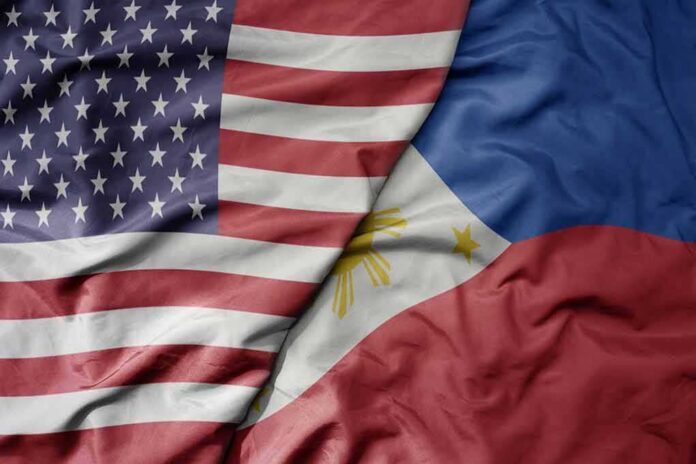
A high-profile critic misidentified a foreign flag in a viral post about President Trump, then deleted it and admitted the mistake.
Story Snapshot
- Amy McGrath said she wrongly called a Philippine flag “Russian” in a post about Trump.
- She deleted the post and said she should have checked before posting.
- Her follow-up identified the flag as Philippine and kept a partisan jab.
- Reports say a child handed Trump the Philippine flag after he arrived in Manila.
What McGrath Posted, Deleted, and Admitted
On November 18, 2026, Kentucky Democrat Amy McGrath posted on X that President Trump waved American and Russian flags together and called it embarrassing. Later that day, she wrote, “I got this one wrong,” and said the flag was from the Philippines, not Russia. She added, “I should have checked more carefully before posting,” and confirmed she deleted the original post, saying she owned the mistake.
In a separate follow-up, McGrath identified the correct flag as the Philippine flag. She also added a line suggesting some would not be surprised if Trump waved a Russian flag. That second point kept the partisan tone even as she corrected the core claim about the image’s content. The record shows a clear sequence: a wrong identification, a deletion, and a public admission of error. The original post’s reach before deletion is not documented in the sources.
The Image Context From On-the-Ground Reporting
Coverage contemporaneous with McGrath’s posts said Trump received the Philippine flag from a child greeting him after he arrived in Manila. That account matches the correction, not the original claim. The reporting states the image showed Trump holding a Philippine flag, not a Russian flag, after landing in the Philippines, which aligns with the setting and the local flag’s design. This supports the factual correction and provides simple context for the scene.
The sources do not explain how McGrath confused the two flags. They do not cite image quality issues, haste, or any other factor. They also do not provide verified data on how far the inaccurate post spread before removal. Those gaps matter for judging impact, but they do not change the core facts: the identification was wrong, a correction followed, and the post was deleted.
Why This Small Slip Became a Big Flashpoint
Commentary from right-leaning outlets framed the mistake as partisan overreach and cited the added jab after the correction as proof. That reaction fits a broader pattern online. Posts that slam the other side often travel farther and faster than careful updates. Research shows that using language about the opposing political group strongly boosts sharing on social media, which rewards quick hits over careful checks. In that system, first takes beat follow-ups.
Amy McGrath Deletes Ratioed Post on Trump Waving a 'Russian Flag' but the Excuse Is PEAK TDS https://t.co/PvBMW6UVxZ
— TinaPM American (@TpmPeiser) November 20, 2026
Americans across the spectrum see a government and media ecosystem that too often fails them. Many feel elites chase clicks, clout, and power while real problems fester. Episodes like this tap that frustration. A quick, wrong post gets traction. A later correction lands softer. Readers who want straight facts feel played. The lesson is simple and shared: slow down, verify, and let accuracy lead before outrage does.
Sources:
townhall.com, x.com, wnd.com, theblaze.com
© patriotsunited.org 2026. All rights reserved.