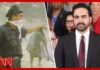
A young dad-to-be says he punched a shark to protect his pregnant fiancée on a Florida beach, and the way this rare attack was reported shows how much we still have to fight just to get basic facts from the systems that are supposed to protect us.
Story Snapshot
- A Georgia man, Jacorey High, was bitten on the left foot and ankle by a shark in waist-deep water off Daytona Beach Shores.
- High and beach officials say he was moving his pregnant fiancée toward shore when the shark struck, and he then fought it off.
- He was treated on the sand, taken to a nearby hospital, underwent surgery, and faces about three months of recovery.
- The public still relies on short news clips and limited beach reports, not full medical or incident records, to understand what really happened.
What Happened In The Water That Evening
On a Saturday evening in late July, 21‑year‑old Georgia resident Jacorey High was wading in waist‑deep surf near the Dunlawton Avenue beach access in Daytona Beach Shores, Florida. He was there with his fiancée, who is pregnant with their first child. Beach safety officials say a shark about four feet long suddenly bit his left foot and ankle while he stood in the shallow water. High told reporters the animal clamped down twice before he managed to punch it in the nose and break free.
Volusia County Beach Safety personnel say they did not see the shark before the bite and believe the attack was quick and hard to predict. They treated High on the sand for bleeding wounds, then rushed him to a nearby hospital with what they called non‑life‑threatening injuries. High later described the pain as “shocking” and said the shark “tore up” his left foot, damaging tendons and ligaments from his ankle down toward the sole. He left the hospital unable to walk or put pressure on the injured foot.
Protecting A Pregnant Fiancée And Fighting A Shark
High and his family say the attack came as he tried to push his pregnant fiancée toward shore when he saw something in the water and felt the bite clamp down. He told Atlanta media that his first thought was to get her out of danger, not himself. Beach reports and national coverage repeat this rescue angle, saying he shielded or moved her while the shark latched onto his leg. No sworn witness statements are public yet, but his fiancée has not disputed his account in any coverage so far.
For many readers, this “hero dad‑to‑be” story hits hard because it cuts against the sense that everyday Americans are self‑absorbed or lazy. Here, a regular working‑class man on vacation ends up literally bleeding in the surf to protect his growing family. At the same time, the way the story spread shows a deeper problem. Most details still come from short local clips and quick national write‑ups, not from full beach, medical, or police records that would confirm every step of what he did.
Medical Damage, Recovery, And What We Are Not Being Shown
Doctors at the Florida hospital performed surgery on High’s foot soon after he arrived, repairing torn soft tissue and trying to protect his ability to walk. He has been told to expect about three months of recovery before he can return to work. Reports say his injuries, while serious, were classified as non‑life‑threatening, which often means heavy local damage but no major blood‑vessel or bone loss. That kind of middle‑ground harm is common in shark bites that hit limbs but do not fully remove flesh or sever arteries.
Yet the public has not seen the operative notes, imaging scans, or full discharge papers that would document exactly what the shark did to his foot. Hospital privacy rules block most of that, even when a case becomes national news. So citizens are left to trust secondhand phrases like “extensive damage” and “three‑month recovery” instead of hard medical data. For people who already feel the system hides too much, this gap looks familiar: ordinary families carry the pain, while institutions control most of the information.
Rare Shark Bites, Media Narratives, And Public Trust
Marine biologists say shark bites like this are rare, even in Florida, which still has more such incidents than any other place on earth. One expert told Fox News Digital that there are only about 60 to 65 unprovoked shark attacks worldwide in a typical year, with a fraction in Volusia County beaches like Daytona. That rarity makes each case stand out and makes television and online outlets rush to frame it as a simple story of fear and heroism instead of a complex event with many moving parts.
Man hospitalized after presumed shark bite in Daytona Beach Shores 🦈
Pure adrenaline and true heroism off the coast of Central Florida. 22-year-old Jacorey High was wading in waist-deep water near the Dunlawton Beach Approach when a 4-foot shark clamped down on his left foot. pic.twitter.com/vkhQ6tawOg
— SafeboundMedia (@safeboundmedia) July 27, 2026
In High’s case, that rush produced a strong rescue headline but also small errors and missing context. Some transcripts even carried the wrong first name for him, showing how fast clips and posts can mangle basic facts once they start to spread. No outlet has yet named the shark species or shared full timelines from 911 calls or beach radios, even though those records could answer simple questions like how fast help arrived and what rescuers first saw. For Americans who feel “the deep state” and local agencies tell only part of the truth, this half‑seen story fits an old pattern.
Sources:
nypost.com, foxnews.com, youtube.com, perthnow.com.au, weartv.com, abcnews.com, usatoday.com
© patriotsunited.org 2026. All rights reserved.