
President Trump’s “Shield of the Americas” summit launched a cartel-fighting bloc while shutting out Mexico, Brazil, Colombia, Cuba, Venezuela, and Nicaragua.
Story Snapshot
- The White House invited 12 governments and excluded several large, left-leaning countries.
- Attendees backed a proclamation to counter cartel crime, but no funding details were released.
- Critics warned the military-heavy focus could sideline human rights and empower strongmen.
- Major economies absent from the table raise doubts about the plan’s reach and impact.
Who Was In and Who Was Out
The White House confirmed 12 attendees and left out Mexico, Brazil, Colombia, Cuba, Venezuela, and Nicaragua. These are some of the region’s biggest countries and flashpoints for cartel violence. Excluding them drew fast attention. Press Secretary Karoline Leavitt confirmed the limited invite list and said Mexico was not invited. Critics said this shaped the summit’s scope before it began, since many routes and markets run through the missing states.
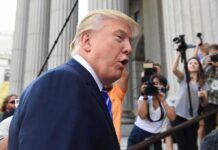
ABC News reported President Trump used the Miami event to warn of action against hostile regimes and to spotlight cross-border crime. That message fit the event’s pitch: a hard line on cartels and the networks that move drugs, money, and people. But the countries with the heaviest cartel footprints, especially Mexico, were not present. That contrast fueled questions about enforcement reach and real-world results after the cameras left.
What the Summit Produced
President Trump signed a “Commitment to Countering Cartel Criminal Activity” proclamation. It outlined an Americas Counter Cartel Coalition framework and set a security tone. However, public documents did not include funding numbers, execution timelines, or an operating budget. Supporters called the step overdue. Skeptics asked how joint raids, court cases, and border checks would be paid for or staffed over time without clear lines in a budget.
Published accounts noted the gathering ran as an alternative to the delayed Summit of the Americas. The design aimed to gather like-minded governments around shared priorities. That choice created speed and unity at the table. It also narrowed buy-in across the region. When major markets and transit hubs stay outside the tent, any coalition faces gaps in data sharing, extradition, and follow-through. That is where plans often meet friction in practice.
Human Rights and Power Politics Concerns
Nongovernmental organizations warned that a military-first push can backfire. They argued it may legitimize leaders with weak civil-liberty records while pushing aside rights safeguards. Some analysts called the summit a show that rallies an ideological bloc more than a full anti-drug plan. Those critics said the exclusion of large democracies raises red flags about long-term stability and oversight if arrests, seizures, and prosecutions rise without clear guardrails.
Democracy advocates also pointed to the risk of policy whiplash. Without broad regional buy-in, changes in any one capital can stall cooperation. If human rights steps are not built into tasking orders and training, abuses can spread and trust can fall. That kind of damage is hard to repair and can weaken public support, which is key for intelligence tips and witness cooperation. The coalition’s credibility will depend on how it handles these basics.
Why the Exclusions Matter for Results
Mexico, Brazil, and Colombia are the region’s three largest countries by population. They are central to trade flows, migration routes, and cartel logistics. Their absence means the coalition will need bilateral channels to move cases and suspects. That is slower and messier than a shared table. Even strong partners hit walls without access to critical ports, airfields, and financial centers where the missing states hold authority.
Dear Cristian Machado of the Music Band ill Niño,
Obviously the @StateDept Secretary, @SecRubio, was not listening to President @realDonaldTrump at the Shield of the Americas Summit in Florida last March 7th of 2026, when @realDonaldTrump publicly complained in front of Foreign… https://t.co/NVrAgeawnd pic.twitter.com/gf0qNQDuad
— Oliver Pichardo-Espaillat (@olisketchestoo) July 7, 2026
News coverage also stressed how messaging at the summit leaned on force and deterrence. That may deter some players. But networks adapt fast when major hubs stand outside a plan. If the coalition wants to choke cash and chemicals, it will need steady cooperation with those hubs, or a clear work-around with clear costs. Without budget detail and timelines, it is hard to judge if that lift is realistic in the near term.
What to Watch Next
Watch for release of budget lines, staffing plans, and country-by-country tasks. Look for extradition agreements, joint investigations, and seizure totals that tie to this framework. Track any outreach to the excluded governments, even if quiet. Finally, watch for human rights safeguards in training and operations. Those are the tests that will show if this is a durable security project or a short-lived signal with limited reach beyond Miami’s stage.
Sources:
pjmedia.com, en.wikipedia.org, x.com
© patriotsunited.org 2026. All rights reserved.