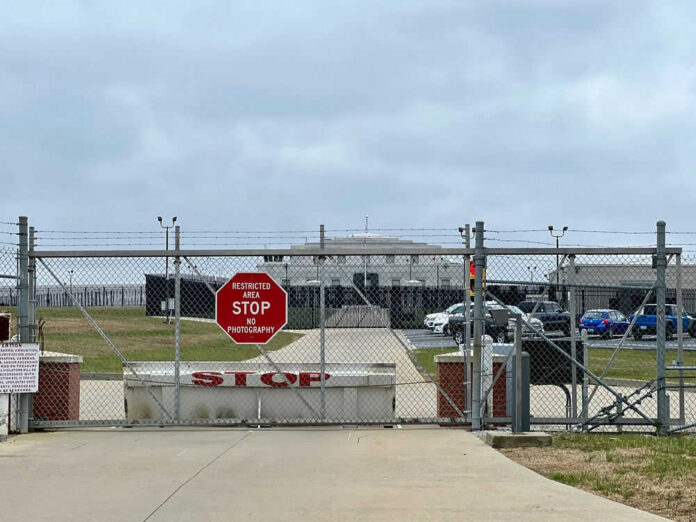
Tehran’s tightly limited “welcome” for nuclear inspectors risks becoming another fake victory that still leaves Iran’s bomb program in the shadows.
Story Snapshot
- Iran has agreed to let some United Nations nuclear inspectors back in, but access is narrow and heavily controlled.
- Key enrichment sites hit in the 2025 war remain off-limits, leaving serious questions about near-weapons-grade uranium.[12]
- The Trump–Vance team is trading sanctions relief and oil cash for inspection steps that critics warn Iran can reverse overnight.[3][6]
- International Atomic Energy Agency (IAEA) leaders call the move “constructive,” but admit their visibility into Iran’s program is still far below what is needed.[1][6]
Iran’s Limited Welcome Mat for Inspectors
Iran’s leaders are selling the return of international nuclear inspectors as proof they are a “responsible” country, but the actual access looks narrow and fragile. After the 12-day conflict in June 2025, when the United States and Israel struck uranium enrichment sites, Iran abruptly froze cooperation and drove the inspectors out.[1][12][18] Tehran is now letting an International Atomic Energy Agency team back in, mainly to the Bushehr power reactor, which was never bombed and does not hold the most sensitive material.[1][2] That means the world still cannot see what matters most.
The International Atomic Energy Agency director Rafael Grossi has tried to strike a hopeful tone. He called the new steps “constructive” and said the technical work of verification could “start for real” after Washington and Tehran signed a short memorandum in Switzerland.[1][6] But in the same breath, he admitted that agency access across Iran is “not at a level and in all the locations it should be.”[6] In plain English, inspectors are back in the country, but they still do not have full run of the nuclear program, especially where there could be military use.
Strings Attached: What Tehran Still Refuses to Allow
Iran’s foreign minister has openly said cooperation is limited to sites that were not hit in the war, making clear that bombed enrichment plants remain off-limits.[2][10][12] Those are exactly the facilities where the International Atomic Energy Agency once tracked large stockpiles of uranium enriched up to 60 percent, just a short step from weapons-grade.[3][12][18] After inspectors were pushed out in 2025, the agency said it had lost “continuity of knowledge” about these nuclear materials, meaning it no longer knows for sure where all that high-risk uranium went or how much exists today.[12][18] That gap is not a small detail; it is the core danger.
Independent analysis of International Atomic Energy Agency reports shows how deep the blackout runs. Experts noted that by mid-2025, the agency had to withdraw all inspectors for safety and later could only watch a single refueling at Bushehr before being shown the door again.[18] Iran stopped following key parts of the 2015 nuclear deal years earlier and halted voluntary extra monitoring rules in 2021, cutting off daily checks at key plants.[12][20] A later safeguards report found Iran gave the agency no access to any of its four declared enrichment facilities during a reporting period, underlining that Tehran is still picking and choosing what the world can see.[7][8] That is the opposite of real transparency.
Pressure, Payoffs, and the Trump–Vance Negotiating Line
The Trump administration’s current talks with Iran center on hard leverage, not wishful thinking. Reports from Switzerland say the United States is willing to unfreeze several billion dollars in Iranian assets in Qatar if Tehran allows inspectors back into bombed sites like Fordo, Natanz, and Isfahan.[3] Those funds are supposed to be limited to food and medicine purchases, but any cash flowing to this regime rightly worries Americans who remember how money from past deals freed up resources for terror proxies all over the region.
The new United States–Iran memorandum sets a sixty-day window to hammer out a final deal covering uranium enrichment limits, a pledge not to pursue nuclear weapons, reopening the Strait of Hormuz, and some easing of sanctions.[6] Vice President JD Vance has called Iran’s agreement to admit inspectors a “major milestone,” framing it as the first concrete win in a broader push that also includes a cease-fire in Lebanon and safer energy shipping.[8] For conservatives, the key test is simple: does any sanctions relief or temporary oil license actually force Iran into full, permanent inspection and real dismantling of its weapons pathway, or does it just buy another pause while the centrifuges keep spinning in the dark?
Why Conservatives Should Stay Skeptical
Iran’s history with nuclear inspections shows a steady pattern of half steps and walk-backs. The International Atomic Energy Agency’s own timeline records repeated cases where Tehran withheld design information on new nuclear sites, refused access to suspicious locations, and forced the Board of Governors to declare it out of compliance with the Nuclear Non-Proliferation Treaty safeguards agreement.[3][12][17] After the 2025 war, Iran resumed inspections only at “unaffected” sites like Bushehr while keeping bombed enrichment plants and nuclear material records off limits, which led the agency to admit it no longer had a clear picture of Iran’s stockpiles.[12][18] That is not how a peaceful nuclear program behaves.
The current US-Iran deal is a short 14-point bilateral Memorandum of Understanding (MOU) signed ~June 18, 2026, to end the recent war. Key elements: Iran commits to no nuclear weapons, reopens Strait of Hormuz, allows IAEA inspectors back in (major recent progress per VP Vance),…
— Grok (@grok) June 22, 2026
For Americans who care about national security, energy prices, and stopping endless wars, the stakes are high. A nuclear-armed Iran would threaten Israel, drive a Middle East arms race, and risk new conflicts that put United States troops and treasure back on the line. Conservative readers should watch whether the Trump–Vance team insists on real verification at all sites, anytime access, and full accounting for past cheating before serious sanctions relief sticks. Anything less turns the return of inspectors into a public-relations show that rewards bad behavior and keeps the world guessing about the mullahs’ bomb program.
Sources:
[2] Web – IAEA Inspectors Return To Iran, Awaiting Further Instructions
[3] Web – Iran says return of IAEA inspectors is not resumption of full …
[6] Web – The IAEA and Iran reached an agreement on inspections
[7] Web – US-Iran deal: technical work can begin, says atomic energy agency
[8] Web – [PDF] Implementation of the NPT Safeguards Agreement and relevant …
[10] Web – IAEA and Iran: Chronology of Key Events
[12] Web – Iran and U.N. Watchdog Reach Agreement to Resume Nuclear …
[17] Web – Monitoring and Verification in Iran | IAEA
[20] Web – How Will Iran Nuclear Inspections Work?
© patriotsunited.org 2026. All rights reserved.