Foreign-linked surrogacy mills may be turning America’s birthright citizenship into a paid loophole—one that senators say could create long-term national security headaches.
Quick Take
- Sen. Tom Cotton and Sen. Rick Scott asked Attorney General Pam Bondi to open a DOJ investigation into foreign-run surrogacy agencies, with a focus on Chinese-owned operations in Southern California.
- Reports cited by the senators claim more than 107 Chinese-owned agencies operate in the region, allegedly paying American women $50,000+ to carry children for wealthy foreign clients.
- The senators argue the practice exploits U.S. surrogacy’s patchwork state rules and the 14th Amendment’s birthright citizenship, with babies often taken overseas soon after birth.
- DOJ responses were requested by March 13, 2026, including whether laws involving immigration fraud, trafficking, or foreign-agent registration could apply.
What Cotton and Scott asked DOJ to investigate
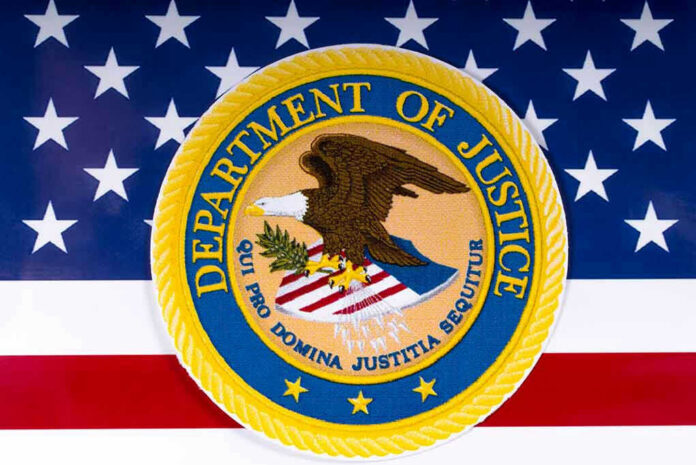
Sen. Tom Cotton (R-AR) and Sen. Rick Scott (R-FL) sent a February 26, 2026 letter to Attorney General Pam Bondi urging the Department of Justice to investigate surrogacy centers operated by foreign nationals, particularly agencies allegedly controlled by Chinese nationals. Their request focuses on whether the business model is exploiting U.S. laws to secure U.S. citizenship for children born on American soil, then relocating those children abroad. They also asked DOJ to provide written answers by March 13.
The senators’ letter, as described in multiple reports and press statements, also seeks clarity on how many foreign-operated surrogacy clinics exist nationwide and how many are controlled by Chinese nationals. They flagged potential legal hooks ranging from immigration-related fraud to human trafficking investigations and foreign influence compliance issues. The central claim is not a small-scale “birth tourism” problem, but an allegedly organized industry concentrated in one of the most permissive surrogacy markets in the country.
Why Southern California is the focal point
Reporting tied to the senators’ inquiry points to Southern California as ground zero, citing “over 107” Chinese-owned agencies in that area alone. California’s surrogacy environment is largely shaped by state law and contracts, while the United States lacks a comprehensive federal framework for commercial surrogacy. That combination can attract international clients with the resources to hire agencies, retain legal counsel, and arrange travel and post-birth logistics. The senators argue those incentives become sharper when citizenship is part of the package.
The constitutional flashpoint is the 14th Amendment’s birthright citizenship rule, which generally grants citizenship to those born in the United States. The senators contend that agencies may be structuring arrangements so the child’s U.S. passport becomes a deliverable—regardless of whether the intended parents reside in the United States or intend to raise the child here. Critics of this system say it reduces citizenship to a transaction and turns a constitutional guarantee into a loophole vulnerable to exploitation.
What’s verified, what’s alleged, and what remains unproven
Several key details have been repeated across outlets covering the letter: the claim of 107+ agencies, payments of $50,000 or more to surrogates, and allegations that newborns are quickly taken to China. One especially attention-grabbing example cited in coverage involves a wealthy Chinese client allegedly fathering more than 100 U.S.-born male children. However, the underlying documentation for that example and the broader scale claims is not fully presented in public reporting, making DOJ verification the hinge point.
That gap matters for two reasons. First, if investigators find evidence of coercion, fraud, or hidden control by foreign state-linked entities, the case for enforcement actions becomes far stronger. Second, if the facts are less sweeping than claimed, policymakers still face a legitimate question: whether America’s decentralized surrogacy system is equipped to handle foreign demand without inviting abuse. Either way, the public record so far is driven primarily by lawmakers and press releases rather than independent expert analysis.
State action in Florida signals a broader crackdown
While DOJ’s next steps were still pending in early March, Florida lawmakers advanced a separate approach. Florida’s House moved a foreign interference bill that includes restrictions related to surrogacy and adoption involving certain foreign countries, reflecting a state-level effort to close perceived gaps before federal action. Democrats in Florida raised concerns about unintended consequences and whether the changes were sufficiently vetted, underscoring that broad bans can create collateral damage if drafting is imprecise.
The political trajectory is clear: Republicans are framing the issue as a sovereignty and security question, not just an ethics debate about commercial surrogacy. For voters already frustrated by years of porous enforcement and loopholes—whether in immigration or foreign influence—this controversy fits a familiar pattern: rules written for good-faith situations being stress-tested by well-funded actors who know how to work the system. The practical test now is whether DOJ will develop hard evidence and act within existing law.
Sources:
US Senators Seek Probe into Chinese Surrogacy Centres
Press Release: Cotton and Scott Request Investigation into Chinese-Owned Surrogacy Centers
Rick Scott Demands DOJ Crackdown on Chinese-Run Surrogacy Clinics
Surrogacy, adoption ban added to Florida foreign interference bill
Florida and Arkansas Senators Push for DOJ Probe Into Foreign-Owned Surrogacy Agencies