Israel’s unprecedented strike on Qatari soil has triggered a rare public rebuke from the Trump administration, exposing dangerous fractures in America’s Middle East alliance structure just as the President seeks to reassert U.S. leadership in the region.
Story Highlights
- Israel conducted first-ever airstrike in Qatar, killing a Qatari security official alongside Hamas operatives
- Trump administration issued rare public criticism of Israel, signaling unprecedented diplomatic strain
- Strike derailed critical U.S.-mediated ceasefire negotiations and hostage release talks
- Arab states convened emergency summit as regional tensions escalate dramatically
Unprecedented Strike Rocks Gulf Stability
Israel launched its first-known airstrike on Qatari territory, targeting Hamas leadership in a residential compound in Doha. The operation killed five lower-level Hamas affiliates and one Qatari security official while failing to eliminate top Hamas negotiators. This marked a dangerous escalation beyond Israel’s previous operations in Lebanon, Syria, and Gaza, directly violating the sovereignty of a key U.S. Gulf ally.
The timing proved catastrophic for American diplomatic efforts. The strike occurred during sensitive U.S.-mediated ceasefire negotiations following a Hamas attack on Jerusalem civilians just one day earlier. Qatar’s role as the primary intermediary between Israel and Hamas made the Gulf nation’s soil an unexpected battlefield, undermining months of painstaking diplomatic groundwork.
Trump Administration Forces Rare Diplomatic Split
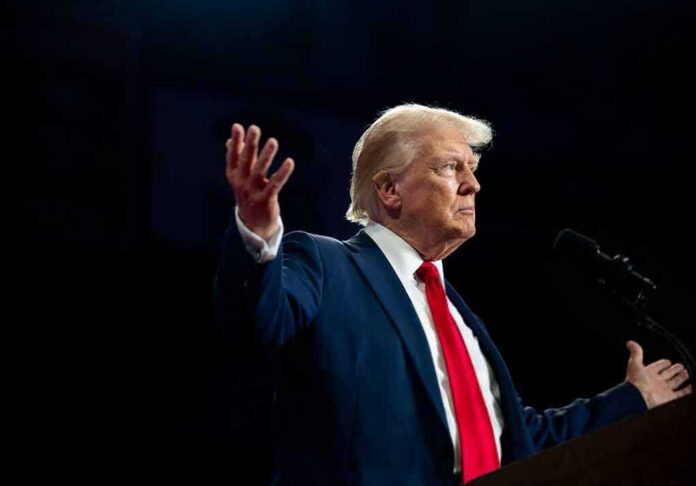
President Trump’s White House issued an extraordinary public rebuke of Israel, with officials stating the strike “runs counter to Trump’s objectives” in the region. This represents one of the most significant public disagreements between Washington and Jerusalem in recent memory, highlighting the gravity of Israel’s unilateral action. The administration’s criticism signals deep concern over Israel’s disregard for U.S. diplomatic priorities.
Middle East Institute analyst Daniel Benaim noted the “opaqueness” surrounding U.S. foreknowledge of the operation, suggesting Israel acted without consulting its primary ally. This breakdown in coordination threatens the foundation of U.S.-Israeli strategic cooperation, particularly as Trump seeks to leverage American influence to broker regional peace agreements and contain Iranian expansion.
Regional Powers Unite Against Israeli Aggression
Arab states responded swiftly to what they condemned as a violation of Gulf sovereignty. The Gulf Cooperation Council, League of Arab States, and Organization of Islamic Cooperation all issued strong condemnations. An emergency Arab summit convened on September 11-12 to address the crisis, demonstrating unified regional opposition to Israel’s extraterritorial operations in Gulf territory.
Israel’s strike in Qatar triggers rare US rebuke, tests Trump’s Gulf diplomacy https://t.co/dEowP7BhZD
— Fox News Politics (@foxnewspolitics) September 11, 2025
Qatar initially suspended its crucial mediation role before resuming with significantly diminished leverage. The strike’s failure to achieve its military objectives while maximizing diplomatic costs raises serious questions about Israeli strategic planning. Israeli officials’ vow to continue targeting Hamas leaders “everywhere” threatens further destabilization of Gulf security arrangements that underpin regional stability.
Sources:
UN News – Israel’s Strike on Hamas Leaders in Doha
Mondoweiss – Understanding Israel’s Attack on Qatar
Fox News – Israel’s Strike in Qatar Triggers Rare US Rebuke
Jerusalem Post – Live Updates on Regional Crisis