The State of Alaska’s seizure of a $95,000 airplane from a pilot over a minor beer transport charge is sparking national outrage about government overreach and the erosion of constitutional protections.
Story Snapshot
- An Alaska pilot’s $95,000 plane was confiscated after a misdemeanor alcohol transport conviction, raising Eighth Amendment concerns.
- The case now sits before the U.S. Supreme Court, with potential national impact on civil asset forfeiture laws.
- Critics argue the punishment is grossly disproportionate, threatening property rights and due process.
- The outcome could curb or embolden future government seizures of property for minor infractions.
Alaska Pilot’s Plane Seized for Misdemeanor: Eighth Amendment at Stake
Ken Jouppi, a pilot in rural Alaska, had his Cessna U206D airplane—valued near $100,000—confiscated by the State of Alaska after a 2012 incident involving beer found in a passenger’s luggage destined for the dry village of Beaver. Although Jouppi was only convicted of a misdemeanor, state law mandated the forfeiture of any vehicle used to transport contraband alcohol. Jouppi’s legal team argues that this level of punishment for a first-time, nonviolent offense violates the Excessive Fines Clause of the Eighth Amendment and represents an alarming expansion of civil asset forfeiture powers.
Supreme Court asked to hear case of Alaska taking plane from man for transporting beerhttps://t.co/HTUYyv9Mzg pic.twitter.com/2XXweakIZT
— The Washington Times (@WashTimes) September 4, 2025
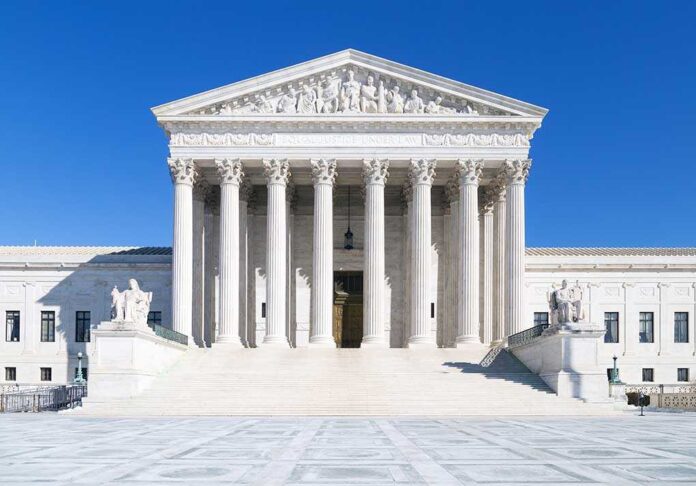
This high-profile case has now reached the U.S. Supreme Court, which is being asked to decide whether Alaska’s actions set a dangerous precedent. The Alaska Supreme Court previously upheld the state’s seizure, finding it not grossly disproportional to the offense. However, legal experts and property rights advocates warn that this ruling could open the door for governments nationwide to confiscate valuable property for relatively minor infractions, undermining the constitutional limits intended to restrain government power.
Alaska’s Civil Asset Forfeiture Laws and Community Context
Alaska’s rural communities, many of which are designated “dry” by local option laws, have long struggled with alcohol-related social and health issues. These communities often rely on small aircraft for essential transportation. While the intent of civil asset forfeiture laws is to deter smuggling and protect vulnerable populations, critics argue that these laws are ripe for abuse and disproportionately punish individuals. In Jouppi’s case, the forfeiture’s severity—loss of a $95,000 airplane for a misdemeanor—exemplifies how such laws can cross the line into excessive government punishment, raising concerns about due process and property rights for all Americans.
Previous Supreme Court precedent, such as United States v. Bajakajian, established that asset forfeitures must not be “grossly disproportional” to the offense. Jouppi’s supporters, including the Institute for Justice, say this case is a critical test of whether that constitutional protection has real teeth. If the Supreme Court refuses to intervene, it may embolden other states to use forfeiture as a revenue tool, further eroding fundamental property rights and civil liberties.
Broader Implications for Constitutional Rights and Government Overreach
The outcome of this case could have profound implications beyond Alaska. A ruling for Jouppi could rein in aggressive forfeiture practices and reinforce constitutional limits on government punishment, protecting Americans against disproportionate penalties. Conversely, if the forfeiture stands, it could signal judicial approval for states to seize expensive property for minor offenses, undermining the Eighth Amendment and emboldening further government encroachment.
Legal advocacy groups and constitutional scholars are watching closely, warning that unchecked civil asset forfeiture undermines trust in law enforcement and the courts. For conservatives and defenders of limited government, this case crystallizes the dangers of bureaucratic overreach and the necessity of strong constitutional safeguards. As the Supreme Court deliberates, the nation awaits a decision that could either restore balance to property rights and due process—or set a precedent for even greater government intrusion into Americans’ lives.
Sources:
Jouppi v. State of Alaska | Alaska Supreme Court Opinion | Justia
Alaska Pilot’s $95,000 Cessna on the Line for Passenger’s Beer | Flying Magazine