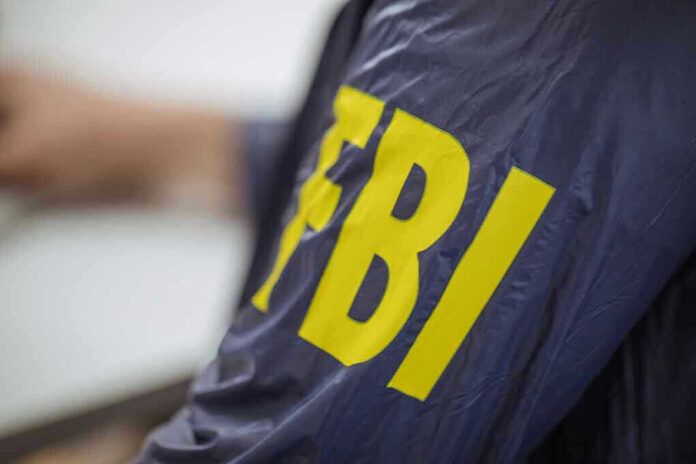
The FBI’s investigation into a mysterious death aboard the Carnival Dream cruise ship has left passengers and citizens demanding answers as federal authorities descend on what should have been a week of sun and relaxation, not sirens and secrecy.
At a Glance
- FBI Houston investigating death on Carnival Dream during Western Caribbean cruise
- Incident occurred near Belize City in the early hours of July 23, 2025
- Passengers report confusion and concern after late-night sirens and announcements
- Carnival and FBI state there is no evidence of foul play, but details remain tightly guarded
FBI Takes Command After Death at Sea
The FBI’s Houston Office launched an official investigation after a passenger died aboard the Carnival Dream cruise ship during a Western Caribbean voyage. This incident unfolded in the dark early hours as the ship sailed near Belize City, with startled guests awakened by the blare of emergency sirens and a call for medical help on the adults-only Serenity Deck. The ship, one of Carnival’s largest, was on a six-day journey with stops in Costa Maya, Belize, and Cozumel. The death occurred July 23, but nearly a week later, the FBI and Carnival Cruise Line have released few specifics, and the cause of death remains unconfirmed.
The FBI’s involvement is standard in these cases—at least, that’s what officials say. But if you’re wondering why the facts are being held so close to the vest, join the club. Carnival insists there’s “no indication of suspicious activity” and that the FBI review is just routine, but when federal agents step in, people naturally want to know why. The company returned the vessel to Galveston, Texas, on July 26, with the investigation still ongoing and the identity of the deceased tightly guarded.
Jurisdictional Maze: Who’s Really in Charge?
When a death occurs at sea, especially on a U.S.-based cruise ship, the jurisdictional puzzle pieces start flying. The FBI has authority over potential crimes involving U.S. citizens or vessels departing from or returning to U.S. ports. The U.S. Coast Guard (USCG) and Customs and Border Protection (CBP) also get involved, especially when the incident happens in international waters or near foreign ports. Carnival’s role is to cooperate with federal authorities, provide information, and reassure passengers. The family of the deceased is left in limbo, waiting for answers while corporate and legal teams handle the flow of information.
Federal law gives the FBI sweeping power in these cases, but that doesn’t mean the public gets a full accounting. In fact, transparency often seems like a casualty when bureaucracy rolls in. Cruise companies are quick to issue statements expressing sympathy and promising cooperation, but real details can be scarce. For the conservative reader tired of government opacity, it’s another example of how federal agencies can swoop in, lock down information, and leave the people who pay the bills—the American public—stuck on the sidelines.
Cruise Passengers Left in the Dark
Passengers on the Carnival Dream have described the confusion and anxiety that swept through the ship as emergency sirens rang out in the middle of the night. Announcements summoned medical personnel, but beyond that, official communication was minimal. Those on board were left to speculate about what had happened, with some turning to social media to share rumors and seek facts. Carnival’s response: FBI involvement is “routine protocol” and no evidence points to foul play. But with federal agents swarming the ship and few answers forthcoming, it’s no wonder passengers and their families are frustrated.
Cruise deaths do happen, and the FBI investigates to ensure nothing criminal occurred—on paper, that’s reassuring. But in practice, the lack of transparency breeds suspicion. The cruise line’s reputation is at stake, but so is the public’s right to know what happens onboard these floating cities. When the facts are withheld, trust erodes. It’s the same pattern we see time and again: agencies circling the wagons, companies managing their image, and regular people left out in the cold.
What Happens Next—and What’s at Stake
The investigation remains open, with the FBI, USCG, CBP, and Carnival all saying cooperation is ongoing. No evidence has emerged to suggest a crime took place, but the public still waits for meaningful details: Who died? What was the cause? Why the late-night emergency? In the short term, passengers and crew are anxious, and family members are mourning. In the long run, this incident could prompt cruise lines to review their safety and emergency protocols—a good thing, if it leads to more transparency and accountability.
For the conservative American watching this story, it’s yet another reminder that federal agencies have a habit of keeping information from the very people they serve. Whether it’s a death on a cruise ship or a thousand other issues, the pattern is familiar: bureaucracy over transparency, process over plain answers. Until the curtain is pulled back, the public’s frustration will only grow.