
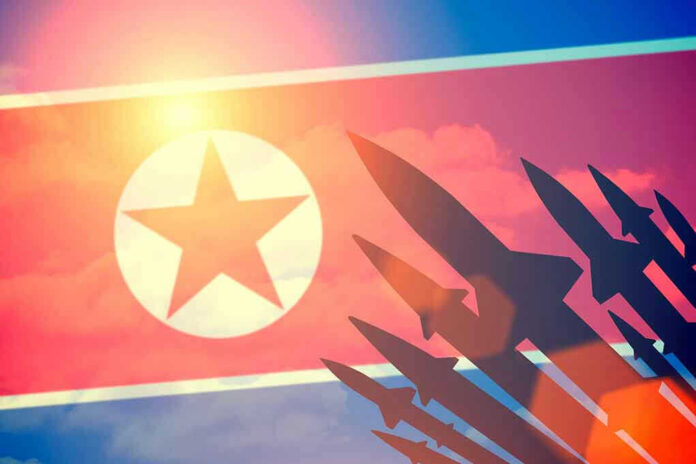
Kim Jong Un’s promise to “unconditionally support” Russia’s war, now with reports swirling of up to 30,000 North Korean troops heading to Ukraine, raises alarming questions about just how far rogue regimes will go to defy the West’s attempts at order and sanity.
At a Glance
- Kim Jong Un pledges unwavering North Korean support for Russia’s war in Ukraine
- Reports claim North Korea is ready to send up to 30,000 troops to aid Russian forces
- North Korea has already supplied Russia with millions of artillery shells
- The deepening partnership further isolates both regimes and undermines Western sanctions
Kim Jong Un Doubles Down: North Korean Troops for Putin’s War?
Kim Jong Un has thrown subtlety out the window, vowing to “unconditionally support” Russia’s war in Ukraine in a move that would be comical if it weren’t so dangerous. The regime in Pyongyang, which seems to have lost any remaining interest in international norms—or reality—now stands accused of preparing to ship as many as 30,000 troops to fight alongside Russian forces. For those keeping score at home, that’s not a typo: thirty thousand troops. Apparently, after years of starving his own people, Kim Jong Un’s latest export is cannon fodder for Putin’s ambitions. This is what happens when you let dictators off the leash and ignore the lessons of history.
Even as Ukrainian officials have yet to confirm the scale of these deployments, North Korea’s willingness to send not just bullets but boots to the front lines marks a stunning escalation. These aren’t just idle threats or hollow gestures—North Korea has already shipped millions of artillery shells to Russia, dwarfing the support Ukraine has managed to scrape together from its so-called “allies.” It’s a crystal-clear message to the West: the world’s worst regimes are tired of being told what to do, and they’re willing to prop each other up if it means sticking a finger in America’s eye.
A Transactional Axis of Authoritarians
The North Korea–Russia partnership didn’t happen overnight. Both countries are under heavy Western sanctions, cut off from the global economy, and desperate for trading partners who won’t ask annoying questions about human rights or the occasional poison attack. For Russia, North Korea’s value is obvious: its factories churn out Soviet-era artillery shells by the millions and, apparently, its leadership is willing to ship young men to die in the Donbas if the price is right. In return, Pyongyang receives food, cash, and—most concerning—access to Russian military technology, which will only make the Hermit Kingdom more dangerous in the long run.
South Korea and Japan are watching with mounting dread. Every new shipment of shells, every rumored deployment, pushes the region closer to instability. It’s not just a matter of propping up Putin for another year or two; it’s about emboldening Kim Jong Un, a man who already believes he’s untouchable. The transactional nature of this alliance—guns for grain, troops for tech—should terrify anyone who cares about the balance of power in East Asia or the future of international law.
Consequences: A World Made More Dangerous
Let’s not sugarcoat what this means. In the short term, Russia’s war machine gets a shot in the arm, with fresh supplies and, potentially, tens of thousands of North Korean troops willing to do whatever Moscow commands. That’s bad news for Ukraine, already stretched thin and pleading for more help from a West that seems permanently distracted by its own dysfunction. In the long run, what do we get? A more experienced, better-equipped North Korean military, flush with battlefield know-how and Russian hardware. That’s a nightmare scenario for anyone within missile range of Pyongyang—and a direct result of years of weak-kneed policy from Western capitals.
The arms-for-aid arrangement is a slap in the face to every international sanction and diplomatic effort ever attempted. It makes a mockery of the idea that the world’s worst actors can be contained with strongly worded letters and half-hearted embargoes. The global arms market is now flooded with North Korean munitions, and the example set by this alliance—rogue states watching each other’s backs—will only encourage more bad actors to thumb their noses at the so-called “rules-based order.”
Expert Warnings, Shrinking Options
Analysts and experts—those rare voices of reason left in the policy world—are sounding the alarm. North Korea’s support is a lifeline for Russia, and the technology and battlefield experience flowing back to Pyongyang represent a real and growing threat. Some question the exact numbers of troops involved, but no one doubts that the partnership is real, dangerous, and accelerating. Western governments, for their part, can do little but watch as their sanctions regimes are undermined and their diplomatic leverage shrinks by the day.
While some officials spin this alliance as a sign of desperation—two pariah states clinging to each other—it’s hard to ignore the pragmatic alignment of interests at work. Both Kim and Putin are betting that they can outlast the West’s attention span, and so far, they’re winning that bet. The West’s best answer has been more of the same: more sanctions, more sternly worded communiqués, more empty threats. Meanwhile, dictators do what they’ve always done: whatever they want, whenever they want, with whomever will pay the price.
Sources:
ABC News – North Korea pledges to ‘unconditionally support’ Russia’s war in Ukraine