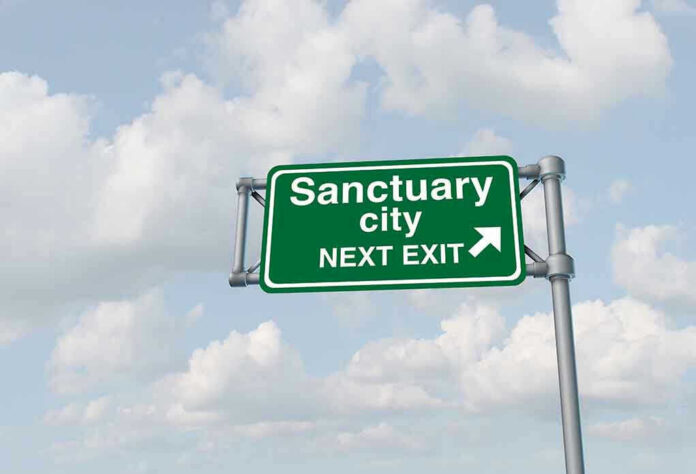
Minnesota’s sanctuary city policies are crumbling under federal pressure as Democrat Governor Tim Walz and Attorney General Keith Ellison entered negotiations with Trump’s Border Czar Tom Homan, signaling a dramatic shift in the state’s resistance to immigration enforcement.
Story Snapshot
- White House Border Czar Tom Homan announced a potential drawdown of 2,000+ federal ICE agents in Minnesota contingent on jail cooperation
- Governor Walz and AG Ellison met with Homan after massive Operation Metro Surge deployment, agreeing to facilitate ICE notifications for criminal alien releases
- Minnesota officials shift from lawsuit-driven resistance to negotiated cooperation amid unprecedented federal enforcement presence
- Trump Administration leverages largest immigration operation in history to force sanctuary state into compliance on deportation priorities
Federal Pressure Forces Minnesota to Negotiate
Tom Homan delivered a clear message on January 29, 2026: Minnesota’s cooperation determines whether federal agents remain deployed in massive numbers. The Border Czar briefed media that withdrawal of ICE personnel from Operation Metro Surge depends entirely on local jails and prisons notifying federal authorities when they release criminal aliens. This represents a fundamental shift from Minnesota’s previous sanctuary policies that deliberately withheld such information. Homan emphasized “great conversations with leaders,” including Governor Walz and Attorney General Ellison, marking a departure from the state’s earlier confrontational stance that included filing a federal lawsuit.
Sanctuary Policies Collide With Law and Order Priorities
Operation Metro Surge deployed over 2,000 federal agents to Minnesota, described by DHS as the “largest immigration operation ever” targeting criminal aliens and public safety threats. Minnesota’s large Somali community and sanctuary jurisdiction status made it a focal point for Trump Administration enforcement priorities. The operation prioritizes individuals posing criminal, public safety, or national security threats rather than conducting indiscriminate raids. This massive federal presence created political pressure on state officials who previously championed non-cooperation with ICE detainer requests. The shift demonstrates how federal leverage through enforcement surges can compel states to reconsider policies that protect criminal aliens from deportation.
From Lawsuit to Limited Cooperation Agreement
Minnesota Attorney General Keith Ellison filed a federal lawsuit on January 12, 2026, alleging the surge constituted retaliatory political targeting of a Democrat-led state. The complaint named DHS Secretary Kristi Noem and others, seeking to halt operations characterized as pretextual rather than fraud-driven. Minneapolis Mayor Jacob Frey sought a temporary restraining order against what he termed invasive street operations. However, by late January, Ellison clarified that counties may notify ICE about individuals presenting risks upon release. This represents meaningful progress toward targeted enforcement that satisfies federal priorities while reducing visible street-level operations that inflamed community tensions and legal challenges.
Trump Administration Secures Enforcement Precedent
Homan’s conditional drawdown strategy establishes a blueprint for compelling sanctuary jurisdictions nationwide to cooperate with federal immigration enforcement. The negotiated shift enables more efficient, jail-based detention of criminal aliens rather than resource-intensive street operations that generate political backlash. Minnesota officials retain some control over implementation while acknowledging federal authority over immigration enforcement priorities. This outcome vindicates the Trump Administration’s approach of deploying overwhelming federal presence to force negotiations rather than accepting outright sanctuary obstruction. For patriots frustrated with illegal immigration policies, this represents accountability for officials who previously prioritized ideology over public safety and rule of law.
The Minnesota situation demonstrates that sanctuary policies collapse when confronted with serious federal enforcement. Governor Walz and Attorney General Ellison, who campaigned on protecting sanctuary status, ultimately chose negotiation over prolonged federal occupation. This sets a precedent for other Democrat-led states considering whether to maintain policies that shield criminal aliens from deportation. The Trump Administration’s willingness to deploy unprecedented resources signals a fundamental shift from previous tolerance of non-cooperation, restoring federal supremacy over immigration enforcement that the Constitution clearly designates as a federal responsibility rather than state prerogative.
Sources:
ICE Minnesota Operations Jan 29 2026 – Fox26 Houston
Minnesota Attorney General DHS Complaint Case 0:26-cv-00190