
Over 730,000 Americans are sitting in the dark without power as Winter Storm Fern pummels the nation with catastrophic ice and snow, exposing the fragility of our infrastructure while 24 states scramble to declare emergencies.
Story Snapshot
- More than 730,000 households lost power across the South, with Tennessee, Texas, and Mississippi hit hardest by ice accumulation
- Winter Storm Fern triggered emergency declarations in over 20 states as 190 million Americans face winter weather alerts from New Mexico to Maine
- Over 10,000 flights were canceled, including all departures from Reagan National Airport, crippling East Coast travel
- Vulnerable Southern power grids collapsed under ice loads, echoing the 2021 Texas crisis and raising questions about infrastructure preparedness
Massive Outages Overwhelm Southern States
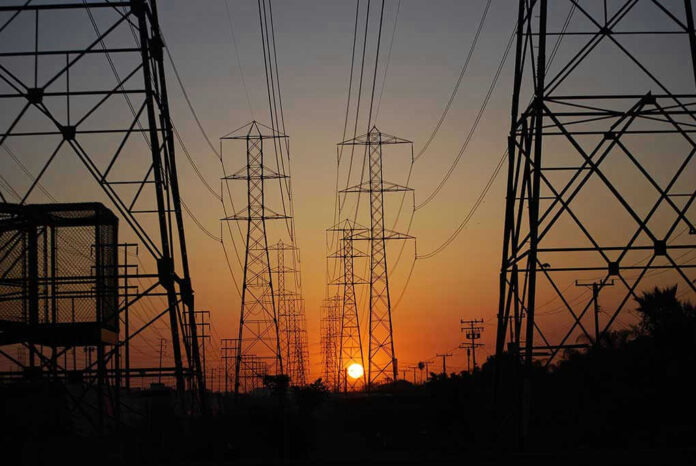
Winter Storm Fern plunged more than 730,000 Americans into darkness by Sunday morning, with the South bearing the brunt of catastrophic power failures. Tennessee led the nation with 244,000 customers without electricity, followed by Texas at 134,000, Mississippi at 123,000, Louisiana at approximately 120,000, and Kentucky at roughly 40,000. The outages surged from around 300,000 early Sunday to over 730,000 within hours as heavy ice accumulation snapped power lines and overloaded aging infrastructure. This rapid escalation exposed critical vulnerabilities in Southern power grids ill-equipped to handle sustained winter weather, a recurring failure that echoes the 2021 Texas crisis when millions lost power during frigid conditions.
Twenty-Four States Declare Emergencies
Governors across more than 20 states and Washington, D.C., declared emergencies as Winter Storm Fern’s unprecedented geographic reach threatened communities from the Southern Plains to the Northeast. The affected states include Alabama, Arkansas, Delaware, Georgia, Indiana, Kansas, Kentucky, Louisiana, Maryland, Mississippi, Missouri, New Jersey, New York, North Carolina, Pennsylvania, South Carolina, Tennessee, Texas, and Virginia. These emergency declarations enable states to mobilize resources, coordinate mutual aid between utilities, and access federal assistance for recovery efforts. The declarations underscore the storm’s severity and the urgent need for coordinated response as 190 million Americans remain under winter weather alerts, facing a dangerous mix of snow, sleet, and freezing rain.
Travel Chaos Paralyzes East Coast
Air travel ground to a halt as Winter Storm Fern forced the cancellation of over 10,000 flights nationwide, with Ronald Reagan Washington National Airport suspending all operations and Philadelphia International Airport scrapping most departures. The storm’s timing during peak travel season compounded the disruption, stranding thousands of passengers along the densely populated I-95 corridor. Heavy snow fell at rates up to one inch per hour between 11 a.m. and 4 p.m. Eastern Time, while New York City public schools announced closures for Monday as the storm intensified. The aviation industry faced billions in losses as the storm crippled logistics and supply chains, demonstrating how extreme weather can paralyze critical infrastructure. The storm’s eastward track brought a treacherous mix of precipitation, with freezing rain coating cities from Shreveport to Raleigh while heavy snow buried areas from Wichita to New England.
Infrastructure Failures Expose Preparedness Gaps
The collapse of Southern power grids under Winter Storm Fern’s assault reveals a troubling pattern of infrastructure inadequacy that leaves Americans vulnerable during severe weather events. States like Tennessee and Texas, which saw the highest outage numbers, grapple with electrical systems designed for heat rather than prolonged ice loads. The combination of snow, ice, and freezing rain proved devastating to power lines and transformers across the South, regions less accustomed to sustained winter conditions compared to the Northeast. This crisis raises serious questions about grid modernization and resilience planning, particularly as utilities struggle to restore power while the storm continues its destructive path. The economic toll extends beyond canceled flights, encompassing business closures, potential heating failures risking hypothermia, and mounting pressure on state leaders to ensure rapid restoration and prevent future catastrophic failures.
Meteorologists tracking the storm forecast continued impacts through Monday morning, with light snow expected to linger before ending by midday. The storm’s unusual southern origin and expansive reach from New Mexico to Maine distinguish it from typical winter weather patterns, creating a multi-state emergency that tests coordination between federal, state, and local authorities. As restoration efforts continue, families across the South face cold nights without power, underscoring the human cost of infrastructure vulnerabilities and the critical importance of hardening essential systems against increasingly severe weather events.
Sources:
Winter storm live updates: More than 730,000 without power