European nations now face skyrocketing fuel costs after rejecting President Trump’s call for warships to secure the Strait of Hormuz, proving once again that freeloading on American security has consequences.
Story Highlights
- President Trump demanded warships from about seven countries, including European allies, to reopen the Iranian-blockaded Strait carrying one-fifth of global oil.
- Germany, Italy, and the EU explicitly rejected the request, calling it “not Europe’s war” despite their heavy reliance on the strait for energy.
- Rising oil prices now hammer European economies, validating Trump’s long-standing warnings on NATO burden-sharing and free-riding.
- UK and France offer only limited alternatives like minesweepers, fearing escalation in what they see as a U.S.-led conflict.
- Trump warns of NATO consequences, highlighting America’s frustration with allies who enjoy benefits without sharing defense costs.
Trump’s Direct Call for Allied Support
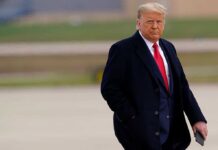
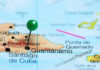
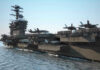
On March 15, 2026, President Trump urged allies via Truth Social to send warships to the Strait of Hormuz. Iran had blockaded the vital chokepoint, through which one-fifth of the world’s traded oil flows. Trump specified demands to about seven countries, including European NATO members, Britain, France, and others like Japan and South Korea. He argued oil-dependent nations should bear security costs for the route they rely on. This move aimed to internationalize protection of global energy lanes amid Iran’s disruptive strikes in the Gulf region.
European Countries Get Bitten by Karma After They Turn Down Trump Request for Ships for Straithttps://t.co/1iWu50PzH8
— RedState (@RedState) March 17, 2026
Europe’s Firm Rejections and Excuses
Germany’s Defense Minister Boris Pistorius rejected the request outright, questioning what European frigates could achieve against the U.S. Navy’s power. Italy’s Foreign Minister Antonio Tajani insisted on diplomacy, claiming no spare naval missions for Hormuz. The EU, led by diplomat Kaja Kallas, formally declined, stating “this is not Europe’s war” while admitting their interests suffer from the blockade. Denmark urged an open mind for de-escalation but showed reservations. These responses echo past hesitations, like Germany’s no-show in the 2023 Red Sea mission.
Energy Crisis Bites Europe Hard
Iran’s blockade drives oil prices skyward, pressuring European consumers with higher fuel costs and economic strain. The International Energy Agency released its largest-ever emergency oil stocks to mitigate surges, but prolonged closure threatens inadequacy. European leaders face domestic backlash over rising living expenses, ironic given their refusal to contribute militarily. Trump highlighted this dependency, pressuring nations like China—90% reliant on strait oil—to step up, though Beijing prioritizes talks with Iran. Global shipping halts, disrupting trade chains worldwide.
Previous U.S. requests met similar reluctance, reinforcing Trump’s critique of NATO allies under-spending on defense. Europeans cite 2003 Iraq War lessons and escalation fears, preferring diplomacy over naval commitment.
NATO Tensions and Long-Term Fallout
Trump warned of “very bad” NATO consequences for non-compliance, amplifying burden-sharing debates. European refusals risk straining transatlantic ties and setting precedents against future U.S. calls. Without intervention, Iran strengthens its regional leverage to choke energy flows. The crisis pushes energy diversification, reducing Middle East dependence. U.S. credibility in coalitions may suffer if allies continue viewing conflicts as American-only. Trump’s approach upholds America First by demanding fair contributions from beneficiaries.
UK considers aerial minesweepers, avoiding warships to prevent escalation. France explores conditional escorts tied to de-escalation. No firm commitments emerged despite Trump’s claim of countries “on the way.”
Sources: