

Ukraine says its drones just reached Russia’s Arctic gas hub over 3,000 kilometers away, exposing how far this war can now hit critical industry inside Russia.
Story Highlights
- Ukraine claims long-range drones struck two major gas-condensate plants in Russia’s Arctic.
- A Russian governor confirmed a drone incident and fire in Novy Urengoy but not two direct hits.
- The plants named handle millions of tonnes a year, but damage and outages remain unverified.
- Talk of palladium sites as “next” is speculation; no evidence shows Nornickel was targeted.
What Ukraine and Russia each confirmed about the Arctic strike
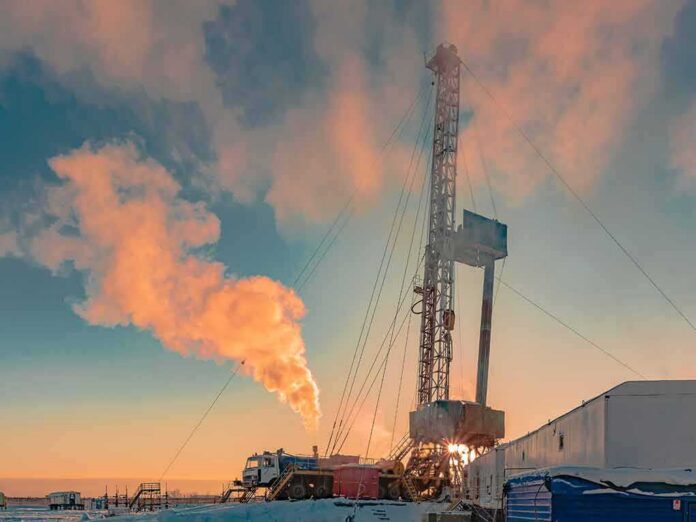
Ukrainian Special Operations Forces said drones hit the Novy Urengoy condensate treatment plant and the Purovsky gas‑condensate processing plant on September 9, deep in the Yamalo‑Nenets region. Reports placed the targets more than 3,000 kilometers from Ukraine, calling it the deepest strike inside Russia to date. The Yamalo‑Nenets governor, Dmitry Artyukhov, confirmed a drone attack and a resulting fire at an industrial site in Novy Urengoy, reported no deaths, and said damage was still being assessed.
Russian officials did not confirm hits on both named plants. They described a single industrial site and said a fire started after drone debris fell, which signals either interception or a glancing impact. That account clashes with the Ukrainian claim of two successful strikes, and it leaves the true scope unclear. This gap matters. It tells readers what is solid: there was an attack, a fire occurred, and no casualties were announced. Everything after that needs proof from images, records, or facility updates.
Why these targets matter to energy markets and war strategy
The reported plants are not small sites. Open reporting lists design capacity for Novy Urengoy’s condensate operations near 19.5 million tonnes a year and roughly 13.4 million tonnes a year at Purovsky. Those figures help explain why the strike drew attention. They show potential stakes for gas liquids that feed fuels and petrochemicals. But capacity is not the same as proven damage. We do not yet have verified downtime, lost output, or repair costs, so any claim of a market shock would be premature.
The deeper story is reach and resilience. Ukraine has expanded a drone campaign against Russian energy infrastructure since the full‑scale invasion. Analysts have tracked dozens of successful hits on refineries and related assets in recent years, arguing the goal is to raise Russia’s costs and strain supply networks. A strike this far north suggests that even remote Arctic facilities are within range. That creates new security demands for Russia and new risk pricing for companies tied to these assets.
The limits of proof and the pull of Arctic symbolism
Long‑range hits make headlines because they signal technical progress and expose blind spots in air defense. Media framed this as Ukraine’s deepest strike and a reach into Russia’s “gas capital” in the Arctic. Yet the public record still lacks firm evidence of sustained operational disruption. The governor’s message focused on safety and withheld site‑level details. That choice narrows what outsiders can verify and keeps the narrative contested until imagery, logs, or corporate disclosures emerge.
That information gap invites overreach. Some reports speculated whether palladium producer Nornickel could be a future target. There is no documented Ukrainian statement, plan, or strike naming Nornickel’s palladium assets. Nornickel’s materials talk about using drones for inspections, even underground without Global Positioning System signals, but say nothing about being targeted. A French defense study mentions Arctic military facilities like Olenya air base as potential sabotage targets, not palladium sites. Treat any leap toward “palladium next” as speculation, not fact.
What this means for ordinary readers and the bigger system
This episode shows how modern war reaches deep into supply chains that affect fuel prices, heating, and trade. People feel squeezed by high costs, and they see leaders of all parties blame each other while critical systems remain exposed. A drone can now fly thousands of kilometers to test a key plant’s defenses. That should push better transparency from companies and governments on risks, backups, and timelines to restore service when something gets hit.
Here is the practical bottom line. Established facts: a Ukrainian claim of two Arctic energy hits, a Russian admission of a drone incident and fire, and an extraordinary range for the drones. Unknowns: which exact units were damaged, how long repairs will take, and whether gas or condensate flows fell. Next steps that would settle the record include satellite images, plant repair notices, and throughput data. Until then, rate the strike as a reach milestone, not yet a proven market shock.
Sources:
zerohedge.com, yahoo.com, en.highnorthnews.com, aljazeera.com, sofx.com, kyivpost.com, news.sbs.co.kr, nornickel.digital, nornik-upload.storage.yandexcloud.net
© patriotsunited.org 2026. All rights reserved.