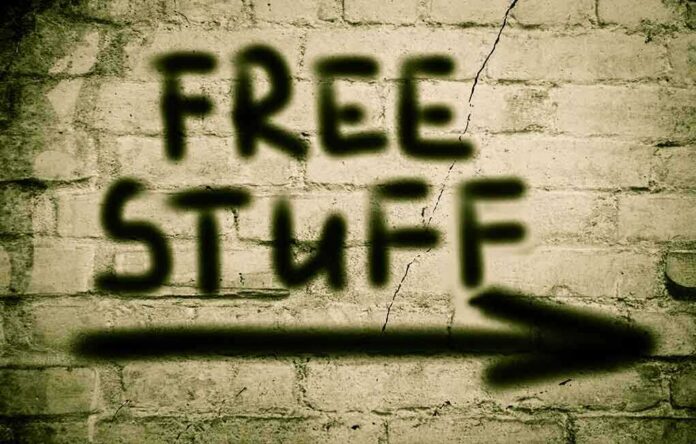
New York City’s new socialist mayor sold voters “free” dreams—then walked into a $12 billion budget hole that makes every giveaway promise look like a math problem.
Story Snapshot
- Mayor Zohran Mamdani entered office amid reports of a roughly $12B NYC shortfall tied to the prior administration’s fiscal situation.
- In late January 2026, Mamdani publicly shifted emphasis toward cutting “waste” inside city agencies and pushing higher taxes on top earners.
- An executive action directed city agencies to designate “Chief Savings Officers” and scrutinize performance and spending.
- Campaign-era affordability pledges like fare-free buses and other government-run cost reducers have not been matched with detailed, funded rollout updates in the early governing window.
Campaign “Free” Promises Meet Governing-Phase Budget Reality
Zohran Mamdani rose from the New York State Assembly to become New York City’s 112th mayor on Jan. 1, 2026, after a campaign centered on affordability and big public-service expansions. His platform highlighted fare-free buses, universal childcare, and city-run grocery ideas, alongside rent and housing proposals and higher wage targets. In office, the immediate headline has been a fiscal reckoning—an inherited shortfall that forces prioritization before new programs can scale.
That disconnect is fueling the online “free is a lie” narrative: critics argue the tone has changed now that promises must survive budget rules, labor costs, procurement, and state approvals. The available reporting does not verify a specific “free is a lie” quote from Mamdani, but it does confirm a pivot in emphasis—away from new benefits first and toward budget controls and revenue strategies. The core question for taxpayers is simple: what gets funded, and who pays.
The $12 Billion Shortfall and the Pressure to Deliver a Balanced Budget
Multiple outlets describe a budget gap on the order of $12 billion, with Mamdani blaming the “Adams budget crisis” for the situation he inherited. The city’s next major deadline is the preliminary budget, due in mid-February, which puts added pressure on a new administration still staffing up and setting priorities. A budget hole of that size compresses choices quickly: raise taxes, cut services, borrow, or find internal savings—often some mix of all four.
Politically, the “free stuff” framing also collides with how municipal finance works. Even when a city wants to expand services, recurring costs must be sustainable year after year, not just funded once. That is why Mamdani’s first-wave messaging has leaned on protecting “working New Yorkers” from cuts while looking upward for revenue. Whether Albany will approve or assist with new tax authority, and how markets and employers react, remain critical variables.
Executive Order Targets “Waste” With Chief Savings Officers in Every Agency
On Jan. 29, Mamdani mandated that each city agency designate a Chief Savings Officer to review performance and root out waste. The reporting describes this as a structured attempt to force line-by-line scrutiny across government, rather than relying solely on broad austerity. For voters tired of bloated bureaucracy, the move signals that the administration understands it cannot simply wish costs away. The practical challenge is execution: savings targets must be real, repeatable, and transparent.
For conservatives, the savings-officer concept is also a litmus test. If the city can identify waste, residents will reasonably ask why that waste was tolerated before raising anyone’s taxes. If it cannot find meaningful savings, the administration’s campaign rhetoric about government delivering cheaper living through bigger government will face tougher scrutiny. The reporting so far highlights the order and the intention, but detailed, publicly itemized savings have not been established in the early coverage.
Taxes, Policing Signals, and the Risk of Mixed Priorities
Mamdani has paired the savings push with calls to raise taxes on the top 1% and corporations, pitching the approach as a way to close the gap without cutting core services. That is a familiar progressive playbook, but it carries risks in a high-cost, high-tax city where businesses and high earners can relocate—and where shrinking the tax base makes future budgets harder. The available sources describe the proposal directionally, not as a fully adopted or enacted package.
At the same time, Mamdani has signaled changes affecting public safety policy, including discussion around disbanding the NYPD Strategic Response Group, a unit known for handling protests and disorder events. The reporting links that signal with the broader budget and governance posture. The public policy question is whether the city can keep order while simultaneously reorganizing units and managing a fiscal crunch. The sources do not provide a final, implemented plan or measurable outcomes yet.
What We Can Verify—And What the Viral “Flip-Flop” Claim Still Lacks
The verified record supports this much: Mamdani campaigned on expansive affordability proposals, then entered office confronting a major budget shortfall, and quickly moved to highlight waste reduction and higher-tax options. What the record does not conclusively prove is the specific viral allegation that Mamdani explicitly declared “free” policies to be a “lie” after winning. The more defensible conclusion is narrower: the governing agenda has shifted to budgeting first, with “free” expansions still undefined.
For voters watching from outside New York, the story is a case study in the difference between campaigning and governing. Big promises sound easy when someone else owns the books. When the bill comes due, the debate becomes who gets cut, who gets taxed, and whether government can prove it tightened its own belt first. As Trump’s second administration emphasizes border enforcement and fiscal sanity nationally, cities still wrestling with progressive spending models face sharper accountability at home.
Sources:
mamdani-signals-disbanding-nypd-protest-unit-calls-higher-taxes-top-1-amid-budget-reckoning
Mayor Mamdani calls for raising taxes on the wealthy, citing NYC budget crisis
How Mamdani is dealing with a trap left by Eric Adams
Mamdani blames Adams budget crisis for $12B NYC shortfall
Zohran Mamdani ’14 sworn in as mayor of New York City
Who’s who in Zohran Mamdani’s administration