A judge sworn to uphold the law was found unconscious in her car after allegedly driving the wrong way on an Iowa highway—raising a question that won’t go away: who really watches the watchers?
Story Snapshot
- A powerful Iowa judge faces an OWI charge after being found unconscious behind the wheel, accused of driving the wrong way on a highway.
- The incident has ignited debate over judicial accountability and public trust in the legal system.
- Law enforcement, oversight bodies, and the public now eye how the judiciary handles its own.
- The outcome could reshape policies and expectations for public officials nationwide.
When the Lawmaker Becomes the Lawbreaker
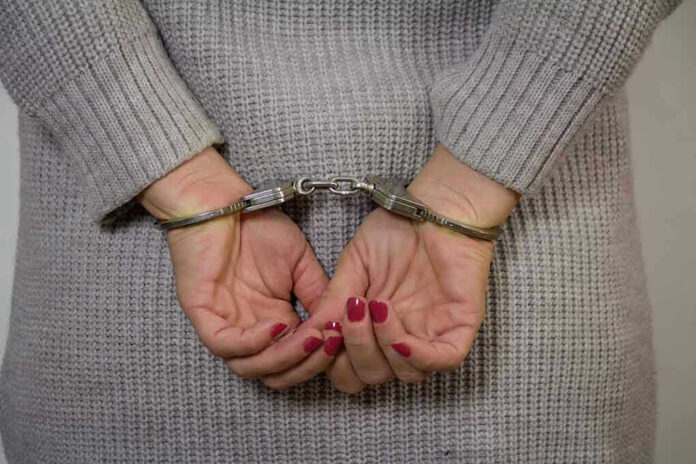
911 lines lit up one recent night in Iowa, callers reporting a car barreling the wrong way down a highway. First responders arrived to find not just a driver, but a sitting judge—unconscious, slumped over the wheel. Her arrest for Operating While Intoxicated (OWI) was swift, her identity as a judicial heavyweight unmistakable. The scene instantly became more than a traffic stop. It became a national talking point about whether those entrusted with justice are truly held to the same standard as the rest of us.
Wrong-way driving, especially by a judge, is more than a headline—it is a stark symbol of the power and peril of public office. The judge in question oversees cases that can change lives, set precedent, and—until now—stood as a figure of authority in Iowa’s courtrooms. This time, she stood accused, not on the bench but in the back of a police cruiser, as witnesses and law enforcement pieced together the events that led to her arrest. Her case now looms as a test of the judiciary’s own integrity.
The Gravity of Judicial Accountability
An OWI charge carries weight for anyone, but for a judge, the consequences ripple further. Judicial officials are bound by strict codes of conduct because their personal actions reflect on the legal system at large. Iowa, like most states, imposes harsh penalties for impaired driving, especially for those in positions of public trust. This incident reignites long-standing debates about whether judges, police chiefs, and other officials receive special treatment or face the same scrutiny as everyday citizens.
Past cases—such as the 2008 arrest of a Racine County police chief—have shown that public officials charged with OWI rarely escape public backlash or professional fallout. Calls for equal treatment under the law intensify with each new incident. Oversight bodies may suspend the judge, launch disciplinary reviews, or even push for removal. The outcome will likely shape how similar cases are handled nationwide, setting a tone for both leniency and strict accountability.
Public Trust and the Cost of Scandal
The public reaction was immediate and intense. For many, the image of a judge, found unconscious and allegedly endangering others, confirmed suspicions of double standards in the justice system. The integrity of the judiciary hinges on public confidence—a currency that can evaporate in the glare of scandal. If the courts cannot police their own, critics argue, how can they be trusted to police anyone else?
Media coverage has kept the story alive, with every update fueling conversations about transparency and reform. Judicial authorities must now navigate the dual demands of due process and public accountability. Anything less than a clear, decisive response risks deepening cynicism and eroding the very foundation of the legal system. The judge’s career, the reputation of the courts, and the public’s faith in the rule of law all hang in the balance.
What Happens Next: The Road Ahead for Reform
The legal proceedings against the judge are just beginning, but the implications are already clear. In the short term, suspension or administrative leave is likely as investigations proceed. In the long term, this case may become a catalyst for broader changes—mandatory substance abuse screening for officials, tougher oversight, and new guidelines for judicial conduct. The legal community, advocacy groups, and ordinary citizens now watch closely to see if the system can deliver justice to one of its own.
This story is not just about a single judge or a single night gone wrong. It is a referendum on whether the American promise of equality before the law can withstand the reality of human weakness, even at the highest levels of power. The open question: will the law bend, or will it hold firm—no matter who sits in the defendant’s chair?