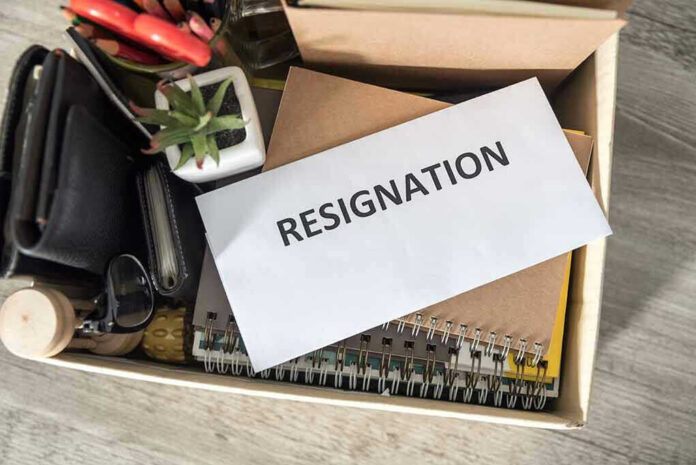
Jerry Greenfield’s resignation reveals the enduring tension between corporate control and social activism, a conflict with far-reaching implications for conservative values.
Story Overview
- Jerry Greenfield resigns, citing Unilever’s interference with Ben & Jerry’s activism.
- Ben & Jerry’s has a history of social activism, sparking disputes with Unilever.
- Unilever allegedly silenced the brand’s statements supporting Palestinian rights.
- The resignation highlights broader tensions in balancing business with social responsibility.
Greenfield’s Departure: A Clash of Values
The resignation of Jerry Greenfield from Ben & Jerry’s after a 47-year stint underscores a significant clash between corporate governance and social advocacy. Greenfield accuses Unilever, the parent company, of stifling the brand’s long-standing social mission. This departure follows several years of tension, particularly over Ben & Jerry’s stance on the Israeli-Palestinian conflict, where the brand has been vocal about Palestinian rights, causing friction with Unilever’s corporate interests.
Historical Roots of the Conflict
Founded in 1978 by Greenfield and Ben Cohen, Ben & Jerry’s has been synonymous with progressive causes and environmental activism. The tension began escalating in 2021 when the company withdrew its products from Israeli settlements, aligning with its values but sparking significant controversy. Unilever, which acquired Ben & Jerry’s in 2000 under the promise of maintaining its social mission, now faces legal challenges and public scrutiny over allegations of suppressing the brand’s activism.
Unilever’s control over Ben & Jerry’s has increasingly been perceived as a means to minimize controversy at the expense of the brand’s foundational principles. This situation has raised questions about the balance of power and the feasibility of sustaining social activism under large corporate umbrellas.
Implications for Corporate Responsibility
Greenfield’s resignation not only highlights the inherent conflict between corporate control and social responsibility but also serves as a cautionary tale for other companies navigating similar waters. The short-term implications include potential legal repercussions for Unilever and immediate public backlash. In the long term, this incident could drive a reevaluation of corporate social responsibility policies, urging companies to clearly define their stance on activism and free speech.
Sources:
Ben and Jerry’s Co-Founder Jerry Greenfield Quits Claiming Unilever Silenced His Activism
Ben & Jerry’s Co-Founder Leaves Business After 47 Years, Claiming He’s Been Silenced Unilever
Ben & Jerry’s Co-Founder Quits, Accusing Unilever of Silencing Social Mission
Major Ice Cream Brand Co-Founder Exits, Claims He Was Silenced on Social Issues