Now that the dust has settled, the questions remain.
Did Donald Trump just drag America back into Middle East conflict — or did he deliver the most disciplined foreign policy strike of a generation?
Was this the death of America First — or its clearest expression yet?
It’s been several weeks since U.S. B‑2 bombers struck Iran’s nuclear sites in what Trump hailed as the most successful operation since the bin Laden raid. Fordow, once considered untouchable, was reduced to rubble in a single night. No American troops were deployed. No prolonged campaign followed. And yet, the strike reignited fierce debate across the political spectrum.
Some called it unconstitutional. Others said it didn’t go far enough. For supporters, it was the clearest demonstration yet of what America First means when faced with a nuclear threat. For critics, it was a dangerous departure from the restraint Trump once promised.
The 12-Day Flash War
The strike didn’t come out of nowhere.
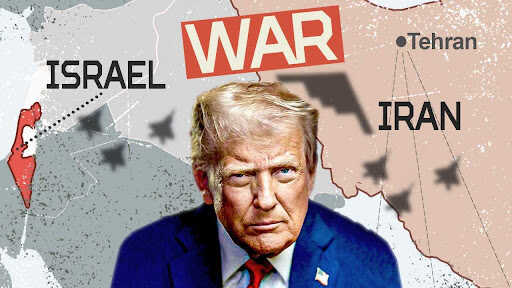
Back on June 13th, Israel launched a sweeping preemptive campaign on more than 100 Iranian targets — a response to intelligence suggesting Tehran was days away from nuclear breakout. Iran responded with a flurry of drone and missile attacks that reached as far as Jerusalem and Tel Aviv. Civilians were caught in the crossfire. The region braced for escalation.
Then, ten days later, came the U.S. response.
On the night of June 22, three B‑2 bombers crossed into Iranian airspace. In coordination with Israeli forces, they struck Fordow, Natanz, and Isfahan — the core of Iran’s nuclear infrastructure. The mission lasted hours. The message was unmistakable.
By June 24, a ceasefire was in place. The conflict — later dubbed “The 12-Day War” — was over before most Americans fully understood it had begun.
Critics Across the Aisle
What followed was a rare show of bipartisan backlash.
Progressive voices accused Trump of bypassing Congress and reigniting conflict in a region he once vowed to leave.
Libertarians said the strike betrayed non-interventionist ideals.
Neoconservatives argued the operation didn’t go far enough — lamenting the lack of follow-up pressure or regime change.
Establishment Democrats warned that the move undermined diplomacy and strained U.S. credibility abroad.
But for all the criticism, the facts were clear:
- No American lives were lost.
- No invasion occurred.
- No long-term military campaign followed.
- And Iran’s nuclear capabilities were set back in a single night.
So… Was It America First?
That’s the question at the heart of this moment.
Trump built his foreign policy legacy on promises to end endless wars and focus on American interests. To his critics, the Iran strike looked like a betrayal of that promise. To his supporters, it was the ultimate proof of principle — a one-night operation that neutralized a threat without dragging America into another unwinnable conflict.
The truth may not fit neatly into either camp. But one thing is clear: this wasn’t business as usual.
It was a calculated act, launched after years of rising tensions, failed diplomacy, and red lines crossed.
What really happened during those 12 days? What did the media get wrong? And how should we define American strength in a world teetering on the edge?
👉 It is all unpacked in this latest breakdown on The People’s Press YouTube channel — where we explore the timeline, the political fallout, and the uncomfortable questions no one else is asking.
🎥 Watch the full video here →
https://www.youtube.com/watch?v=Mxd6JuKRNj0