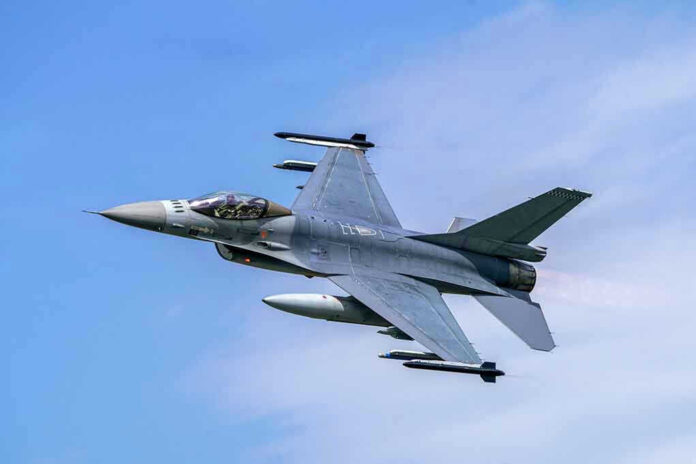
In an unprecedented escalation, the U.S. military’s airstrike on a suspected drug boat in the Pacific Ocean highlights the Trump administration’s aggressive stance on narco-terrorism.
Story Snapshot
- U.S. military strikes on November 4, 2025, killed two individuals on a suspected drug vessel.
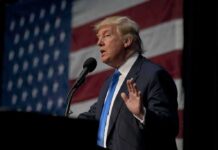
- Defense Secretary Pete Hegseth confirmed Trump personally ordered the operation.
- The strike reflects a geographic expansion of U.S. military operations against drug trafficking.
- The campaign has resulted in 66 deaths across 16 strikes, sparking international controversy.
Trump’s Direct Involvement
The November 4, 2025, airstrike on a suspected drug trafficking vessel in the Pacific Ocean marked a significant moment in U.S. military operations. Defense Secretary Pete Hegseth confirmed that President Donald Trump personally authorized the operation, citing the boat’s links to illicit drugs and terrorist organizations. This strike is the latest action in an intensifying campaign against narco-trafficking that began in September 2025, reflecting the administration’s aggressive counter-narcotics and counter-terrorism stance.
This particular operation stands out due to its Pacific location, diverging from previous strikes concentrated in the Caribbean. The expansion into new geographic regions underscores the broadening scope of U.S. military efforts under Trump’s directive. The administration frames these actions as part of a “global campaign against narco-terror networks,” with Trump’s personal involvement emphasizing the political dimensions of these military operations.
Background of Military Campaign
The campaign against suspected drug trafficking vessels began in September 2025 with a strike on a Venezuelan boat, marking a significant escalation in U.S. military engagement in the Western Hemisphere. This operation was the first publicized U.S. airstrike in Central or South America since the 1989 invasion of Panama. The campaign has rapidly expanded, reflecting heightened U.S.-Venezuela tensions and targeting various suspected narco-terrorist organizations, including Venezuela’s Tren de Aragua and Colombia’s National Liberation Army.
The trajectory of these military operations illustrates a shift in strategy and scale. Beginning with the deployment of Navy warships to the Caribbean in August 2025, the campaign has seen increased activity with multiple strikes in both the Caribbean and Pacific regions. As of November 5, 2025, cumulative reports indicate at least 66 deaths across 16 strikes, highlighting the campaign’s lethal impact.
Controversy and Criticism
The U.S. military campaign has sparked significant controversy, with critics questioning the legality and motives behind the operations. International legal experts and human rights organizations have raised concerns about compliance with international humanitarian law, citing potential violations of due process and sovereignty. The administration’s characterization of targeted vessels as narco-terrorist operated has been met with skepticism, as evidence for these designations remains undisclosed.
Politically, the operations have been interpreted as extending beyond drug interdiction to potential regime change, particularly given the focus on Venezuelan targets. The Trump administration maintains that these are necessary counter-terrorism efforts, yet regional governments and international observers express concerns about unilateral military actions and their implications for global norms.
Implications and Future Outlook
The November 4 strike and the broader campaign carry significant implications for U.S. military doctrine and international law. The operations set a precedent for direct military action against drug trafficking without formal declarations of war or international authorization, potentially normalizing such tactics in the Western Hemisphere. The campaign could influence future U.S. foreign policy and military strategy, emphasizing military solutions over diplomatic or law enforcement approaches.
The long-term impact on U.S.-Venezuela relations and broader Latin American diplomacy remains uncertain. As operations continue, the international community grapples with the legal and ethical dimensions of these actions, while regional actors navigate the complex geopolitical landscape. The outcomes of this campaign will likely shape U.S. engagement and influence in the region for years to come.