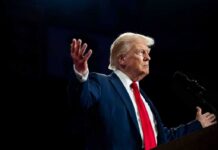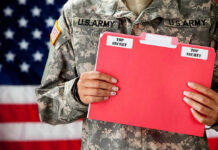
A single leak during an active rescue mission in Iran has reignited a high-stakes fight between national security and the press—this time with President Trump openly floating jail for whoever published it.
Story Snapshot
- President Donald Trump said his administration is working to identify the person who leaked details about a downed U.S. F-15E crew member in Iran during an ongoing rescue effort.
- Trump argued the leak alerted Iran to an American service member on its territory and made the recovery operation more dangerous and difficult.
- The missing weapons systems officer was eventually recovered after a large, aircraft-heavy rescue mission, according to reporting cited in the research.
- Trump also suggested potential legal consequences for the journalist or outlet that reported the leaked information, raising First Amendment questions.
What Trump Says Happened—and Why the Timing Matters
President Trump’s public focus is the timing: reporting says the leak came within about an hour of the first crew member’s rescue, before the U.S. military had publicly discussed the situation. Trump’s core claim is that the media did not “discover” the missing service member independently, but received operationally sensitive information from someone with real-time access. In wartime conditions, that distinction matters because it can narrow suspicion to insiders.
The incident began after Iranian forces struck a U.S. F-15E Strike Eagle, leading to both crew members ejecting. Reporting summarized in the research indicates one crew member was recovered quickly, while the weapons systems officer was not immediately located, prompting a major search. Trump said the leak forced Iran to recognize a U.S. airman was on the ground, turning a rescue into a manhunt scenario with strategic and human costs.
The Rescue Operation Shows the Stakes Behind the Leak Debate
Details provided in the research describe a large-scale rescue involving 155 aircraft, including bombers, fighters, refueling tankers, and rescue aircraft. The weapons systems officer was reportedly found injured and bleeding after treating his own wounds and later making contact with American forces. Those details help explain why the administration is framing the leak as more than political drama: it occurred while personnel were vulnerable and resources were actively in motion.
Trump’s specific allegation is that Iran issued a public bounty after learning about the missing American, increasing the danger by incentivizing civilians to search for him. The research does not provide independent verification of how directly the leak triggered the bounty or how many people responded, but it does reflect Trump’s argument that disclosure can shift the battlefield rapidly. Even when a rescue succeeds, the question becomes whether it succeeded despite an avoidable risk.
The Legal Fault Line: Leaker Accountability vs. Press Freedom
Trump’s suggestion of potential jail time for a journalist pushes the controversy into a constitutional gray zone that regularly returns during wartime. The research supports that Trump is emphasizing operational security, while also directing pressure toward the media outlet and journalist who received the information. At the same time, the materials provided do not include detailed legal analysis, court precedents, or commentary from First Amendment experts, leaving the limits of what the government can do unclear.
From a governance perspective, the most concrete and verifiable issue is the leak itself: if sensitive, real-time operational information was disclosed outside authorized channels, it signals weaknesses in internal controls. That reality frustrates Americans across the political spectrum who already believe the federal apparatus is leaky, politicized, and often more focused on power than performance. Conservatives tend to see it as institutional sabotage; many liberals see it as overclassification and secrecy—either way, the system looks broken.
What to Watch Next as Washington and Tehran Tensions Persist
The research indicates the leaker’s identity remains unknown, motivations are unclear, and the specific outlet involved is not definitively identified across the provided summaries. Trump says investigators are working to find the source, which likely means tighter access rules and more scrutiny inside the national security pipeline. The next developments will hinge on whether authorities pursue the leaker as a classic national security case—or attempt to compel testimony or records from journalists, escalating the clash.
Politically, the episode lands in a familiar place: Democrats are expected to emphasize press freedom and accuse Trump of intimidation, while Republicans will argue that leaking during combat operations endangers American lives and should be punished. The facts available here support two realities at once: the rescue was real and dangerous, and the legal lines around punishing publication are complicated. In a country that prides itself on liberty and competence, the real scandal may be that such a leak was possible at all.
Sources:
https://www.politico.com/news/2026/04/06/trump-iran-pilot-rescue-media-threat-00860508