
Are cultural events like Eurovision destined to become arenas for political conflict?
Story Overview
- Four countries boycott Eurovision 2026 over Israel’s inclusion despite ongoing conflict.
- The EBU maintains Eurovision should remain a non-political event.
- The decision has sparked debates about Eurovision’s role amid geopolitical tensions.
- Critics point to perceived double standards in Eurovision’s political decisions.
Eurovision in Crisis: The 2026 Boycott
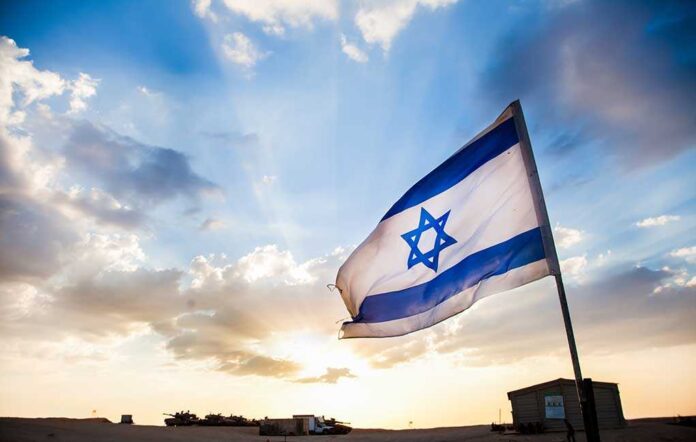
In a surprising turn of events, national broadcasters from Ireland, Spain, the Netherlands, and Slovenia have decided to boycott the Eurovision Song Contest 2026. This unprecedented move comes after the European Broadcasting Union (EBU) announced that Israel would be allowed to participate in the event, despite widespread calls for its exclusion due to the ongoing war in Gaza. This decision has ignited a fervent debate on whether cultural events like Eurovision can truly remain free from political influences.
The EBU’s decision has been met with mixed reactions. While some argue that Eurovision should stand as a beacon of cultural inclusivity, others believe that allowing Israel to compete amidst the Gaza conflict reflects a troubling political bias. The EBU insists that Eurovision is a non-political event, yet the exclusion of Russia in 2022 over the Ukraine invasion provides a stark contrast to their current stance. This contradiction has fueled accusations of double standards, further complicating the EBU’s position.
The Political and Cultural Backdrop
Since its inception in 1956, Eurovision has been more than just a music competition; it’s a platform for national pride and cultural diplomacy. Israel’s participation, beginning in 1973, has often been controversial, particularly in times of heightened Middle Eastern tensions. Recently, the war in Gaza has drawn global attention, with over 40,000 Palestinian deaths reported. This humanitarian crisis has intensified calls for Israel’s exclusion from international events as part of a wider cultural boycott movement.
The EBU’s criteria for participation are based on membership, not political conduct. However, the precedent set by Russia’s exclusion raises questions about the consistency and fairness of these rules. This inconsistency is a focal point for critics who argue that the EBU’s decision undermines its commitment to neutrality and could permanently fragment the contest.
Stakeholders and Power Dynamics
The decision to allow Israel to participate has triggered a complex web of reactions from various stakeholders. The boycotting broadcasters are influential EBU members, and their withdrawal poses a threat to Eurovision’s viewership and revenue. Meanwhile, Israel’s broadcaster Kan views participation as a matter of national pride and cultural expression, rejecting claims that the boycott is based on legitimate humanitarian concerns.
On the other hand, pro-Palestinian groups see the boycott as a moral victory and a necessary stand against normalizing violence. As nations like Germany, France, and Italy review their positions, the EBU faces mounting pressure to reassess its approach to politically charged situations, balancing the need for inclusivity with ethical considerations.
The Future of Eurovision
The boycott by four countries has cast uncertainty over the future of Eurovision. The contest, once a symbol of unity through music, now risks being seen as a diminished and politically charged event. Reduced participation could lead to lower global viewership and a significant loss in advertising revenue, challenging the contest’s financial viability and cultural impact.
In the long term, Eurovision may experience ongoing fragmentation, with geopolitical conflicts prompting recurring boycotts. The EBU’s credibility as an impartial entity could suffer if it fails to establish consistent standards for participation. This situation also highlights the growing trend of cultural events becoming platforms for geopolitical narratives, a development that could influence other international events like sports and film festivals.