A 66-year-old pensioner zipped into a refrigerated body bag, moments from embalming, suddenly gasped for air and terrified funeral workers.
Story Snapshot
- Roger Leitner suffered cardiac arrest at his Spanish care home on November 21, 2024, revived briefly, then declared dead after a second episode.
- Funeral staff placed him in a body bag at Mémora funeral home, where hypothermia masked his vital signs, mimicking true death.
- Leitner awoke gasping just before embalming on November 22, leading to immediate hospitalization and full recovery days later.
- Officials blamed human error; Catalan Health Service mandated new protocols for hypothermic cases.
- Case echoes global precedents, exposing flaws in death certification amid aging populations and strained elder care.
Leitner’s Cardiac Arrest and Premature Death Declaration
Roger Leitner, 66, collapsed from cardiac arrest at Residencia 3 de Mayo care home in Reus, Spain, on November 21, 2024 morning. Paramedics revived him once, but a second arrest struck that afternoon. The medical team pronounced him dead without further checks. Pre-existing heart issues and care home understaffing contributed. Spanish law demands two doctors for certification, yet paramedics acted first amid Catalonia’s 15% staffing shortages.
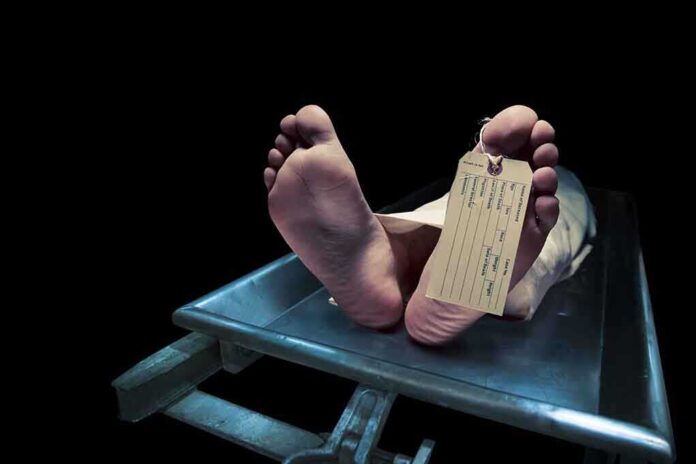
Workers transported Leitner’s body to Mémora funeral home in La Pobla de Mafumet that evening. They zipped him into a refrigerated body bag and placed him on the mortuary table. Hypothermia slowed his metabolism below 28°C, flattening vital signs and fooling standard pulse and breath tests.
Awakening in the Body Bag Shocks Funeral Staff
On November 22 morning, staff prepared Leitner for embalming. He suddenly stirred, gasping desperately for air inside the sealed bag. Funeral workers unzipped it in panic and called emergency services. Paramedics rushed him to Alcover Hospital, where doctors treated hypothermia and low blood pressure. Leitner stabilized quickly and discharged after two days, returning to normal life in Reus.
Mémora staff described the event as a miracle, confirming they followed all protocols. No video exists, but hospital records and multiple witnesses verified the account. Leitner’s family sought €10,000 compensation, though no lawsuit materialized.
Systemic Flaws Exposed in Death Verification Protocols
Catalan Health Service investigated and closed the case in January 2025, attributing the error to hypothermia masking vitals. They mandated enhanced training and capnography—CO2 monitoring—for apparent deaths. Dr. Manel Castells of the Spanish Society of Intensive Care stressed ECG use in hypothermic cases, noting 1-2% error rates in non-hospital pronouncements.
Spain’s 25% elderly population in Reus strains care homes. Post-COVID shortages persist, with 20% audit increases post-incident. Public trust in elder care dropped 15% per El País polls, fueling opposition criticism of regional health budgets.
Global Precedents and Lessons for Elder Care
Leitner’s case mirrors others: Carlos Camejo revived mid-autopsy in Mexico 2023; Bella Montoya awoke in her coffin in Ecuador 2022; Ada Llanes stirred in Spain 2014. WHO estimates 1 in 1,000 apparent deaths misdiagnosed yearly due to catalepsy-like states from drugs or cold.
These incidents demand common-sense safeguards like prolonged observation and tech aids, aligning with conservative values of accountability over bureaucracy. Unions defend overworked medics, but facts show protocols ignored precedents. EU pilots now test AI vital monitors, promising fewer tragedies in aging societies.
Funeral sectors face 5% insurance hikes; Leitner’s full recovery underscores human resilience, but exposes risks in rushed certifications.