A federal court settlement bars Biden-era agencies from coercing social media platforms to censor Americans’ speech, delivering a hard-fought First Amendment victory that many patriots feared would never come—but the win’s narrow scope reveals just how far government overreach had spread.
Story Snapshot
- Missouri v. Biden settlement prohibits Surgeon General, CDC, and CISA from threatening platforms to suppress speech for 10 years
- Lawsuit exposed Biden administration’s “jawboning” tactics during COVID-19 to silence dissent on pandemic policies, elections, and Hunter Biden’s laptop
- Settlement applies primarily to original plaintiffs, not all Americans, despite precedent-setting legal framework
- Trump administration’s Justice Department reversed course, settling cases Biden officials fought for years
Four-Year Battle Against Federal Censorship Machine
U.S. District Judge Terry Doughty approved the consent decree on March 26, 2026, concluding Missouri v. Biden, a lawsuit filed in 2022 by Missouri, Louisiana, and individual plaintiffs including Dr. Aaron Kheriaty. The case alleged Biden administration officials pressured Facebook, Instagram, X, YouTube, and other platforms to suppress constitutionally protected speech on COVID-19 skepticism, election integrity, and Hunter Biden’s laptop. The 10-year settlement bars the Surgeon General, CDC, and CISA from threatening or coercing platforms to censor content, marking what legal experts call the first operational restraint on government “jawboning” in the digital age.
Settlement Delivers Precedent But Limited Relief
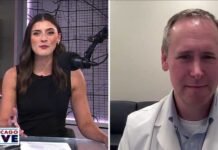
The consent decree explicitly states that labeling speech as “misinformation” does not strip it of First Amendment protections, a critical safeguard against bureaucratic overreach. However, Dr. Kheriaty, a Catholic bioethicist whose censorship sparked the lawsuit, acknowledged the settlement’s limitations in a March 31 EWTN interview, noting it applies primarily to named plaintiffs rather than all Americans. Missouri Attorney General Catherine Hanaway and Louisiana’s Liz Murrill celebrated the outcome as “historic,” with Murrill declaring it sets precedent against wrongful federal conduct. Attorney General Pamela Bondi called it a “key step in undoing abuses of the First Amendment” under Biden.
Supreme Court Roadblock and Trump-Era Resolution
The lawsuit survived a Supreme Court ruling in June 2024 that vacated a preliminary injunction after finding individual plaintiffs lacked standing, though the Court never addressed the case’s merits. Litigation continued in district court, gaining momentum after President Trump’s “Restoring Freedom of Speech” Executive Order directed agencies to end coercive pressure on platforms. The settlement also resolved the related Children’s Health Defense v. Biden case. Former Missouri Attorney General and current Senator Eric Schmitt, who initiated the lawsuit, praised the agreement as the “first real operational restraint” on what he termed the “federal censorship machine.”
Gaps Remain in Constitutional Protections
The settlement leaves significant questions unanswered for conservatives frustrated by years of shadowbanning, deplatforming, and suppressed reach. Government agencies retain rights to flag content to platforms without explicit threats, creating gray areas enforcement could exploit. The decree excludes FBI and State Department restrictions despite their documented roles in censorship campaigns, a gap that troubles free speech advocates. Platforms like Meta and X gain clarity that non-coercive communication remains permissible, but the settlement admits no government wrongdoing, denying Americans accountability for silenced voices during critical debates over lockdowns, vaccine mandates, and election procedures.
Precedent May Outlast Decree’s Limits
Legal analysts emphasize the settlement’s precedent-setting value despite its plaintiff-specific scope, as federal courts can reference it in future jawboning cases. The New Civil Liberties Alliance, representing Dr. Kheriaty, described it as a “major blow against government’s social media censorship.” For conservatives who endured years of suppressed speech on topics from COVID treatments to border security, the settlement offers partial vindication but underscores how deeply censorship embedded itself in federal operations. The 10-year timeframe extends beyond Trump’s current term, leaving enforcement dependent on future administrations’ commitment to free expression over ideological control.
Sources:
Plaintiff discusses landmark settlement curbing government social media censorship – EWTN News
Justice Department settles lawsuits over alleged social media censorship – KHQ
‘Orwellian’ Biden-era censorship reined in: Red states celebrate ‘historic’ settlement – Fox News