Donald Trump’s proposed $2,000 tariff checks could reshape the economic and political landscape, but is it realistic?
Story Summary
- Trump proposes $2,000 checks funded by tariffs, targeting mid-2026 distribution.
- Congressional approval is needed, but no bill has been introduced yet.
- Experts question the feasibility due to fluctuating tariff revenue.
- The proposal could impact the 2026 elections and economic policy debates.
Trump’s Plan and Its Political Significance
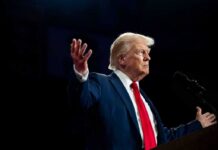
Donald Trump has once again captured public attention with his plan to distribute $2,000 “tariff dividend” checks directly to Americans. The funds would come from tariff revenue, a departure from the usual tax-funded government programs. While Trump and his allies are lobbying Congress, no formal legislation has been introduced, and the proposal remains a campaign promise. The unique funding mechanism and specific timeline of mid-2026 are central to the initiative’s appeal and controversy.
Trump’s allies are pushing hard to gain congressional backing for this initiative, emphasizing the direct economic benefit to citizens. The plan is positioned as a novel approach to distributing tariff income, which has been substantial since the trade policies against countries like China were enacted. However, experts have flagged concerns about the volatility of tariff revenue and the broader economic implications of such payments.
Feasibility and Economic Concerns
The feasibility of Trump’s proposal hinges on several factors, primarily the availability of tariff revenue to fund such a large-scale distribution. Tariff income is inherently volatile, subject to international trade dynamics and economic conditions. While the idea of using tariff revenue instead of tax dollars is innovative, it also raises questions about sustainability. Experts argue that while the checks could stimulate the economy short-term, they might exacerbate inflationary pressures and increase federal debt.
Critics also point out the absence of a formal bill and the lack of confirmation from federal agencies, such as the Treasury Department, which would be responsible for administering the payments. The legislative process is complex, and without a clear path forward, the proposal’s future remains uncertain. The estimated cost of $450 billion, as reported by Axios, further complicates the matter, posing a significant budgetary challenge.
Political and Social Implications
Politically, Trump’s proposal could be a game-changer, especially as the 2026 elections approach. Direct payments are popular among voters, and if framed effectively, they could bolster Trump’s appeal. However, the proposal also deepens existing political divisions, with opponents questioning its feasibility and potential economic repercussions. The plan’s success hinges on navigating these political waters and securing bipartisan support.
Trump allies urge Congress to back his $2,000 tariff checks as president claims they’ll be sent in ‘mid 2026’ https://t.co/J9MGWA4n7Y
— chatEMPIRE (@Chatempireng) November 18, 2025
Socially, the impact of the checks could be significant, providing immediate financial relief to millions of Americans. However, there’s a risk of creating dependency on government payouts, a concern among fiscal conservatives. The broader social implications include potential shifts in consumer behavior and spending patterns, which could affect various industries differently.
Expert Analysis and Predictions
Economic experts remain skeptical about the proposal’s viability. The reliance on tariff revenue, which is not a stable source of income, poses a major challenge. Political analysts suggest that the proposal is more of a strategic campaign move than a realistic policy, given the hurdles in Congress and the lack of agency support. Academic commentators warn of potential inflationary effects and increased federal debt if such payments are implemented.
Despite these challenges, the proposal’s political and economic implications cannot be ignored. If Trump’s plan gains traction, it could redefine policy discussions around direct payments and tariff utilization. As the situation develops, stakeholders across the political and economic spectrum will closely watch for legislative moves and public reactions.